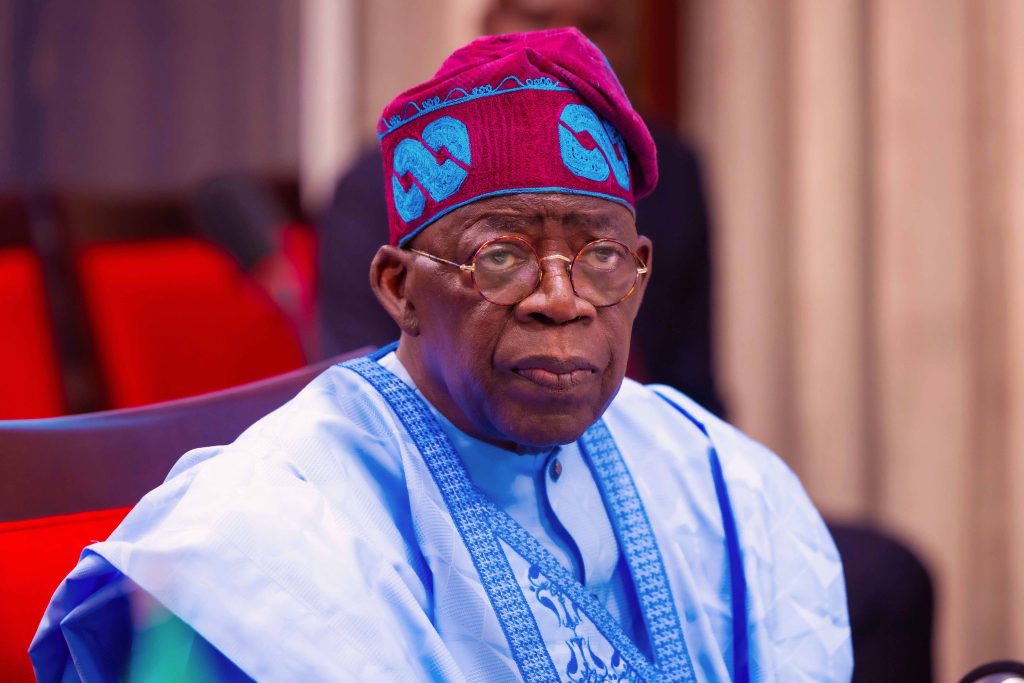
Tinubu signs 2026 budget into law with a total expenditure of ₦68.32 trillion, while also approving an extension of the 2025 budget implementation period. The signing took place in Abuja and was confirmed in a statement by the Presidency. The extension shifts the 2025 budget deadline from March 31 to June 30, 2026. Officials said the move is aimed at ensuring completion of ongoing projects.
Tinubu signs 2026 budget as part of Nigeria’s annual fiscal planning process approved by the National Assembly. The Appropriation Act provides the legal framework for government spending across sectors.
Budget cycles in Nigeria have in recent years experienced overlaps due to delays in implementation. Extensions are sometimes granted to allow Ministries, Departments, and Agencies to complete capital projects. The 2026 fiscal plan reflects ongoing economic reforms under the current administration. It also aligns with efforts to improve infrastructure delivery and economic stability.
Tinubu signs 2026 budget with an aggregate expenditure of ₦68.32 trillion for the fiscal year.
The Presidency stated that ₦4.799 trillion is allocated for statutory transfers. Debt servicing is projected at ₦15.8 trillion, while ₦15.4 trillion is earmarked for recurrent expenditure. A total of ₦32.2 trillion is allocated for capital expenditure through the Development Fund.
According to the statement signed by Special Adviser on Information and Strategy, Bayo Onanuga, the budget reflects a balance between obligations and development priorities. The President also signed an amendment bill extending the implementation of the 2025 capital budget. The new deadline allows additional time for completion of projects already at advanced stages.
Officials said the extension is intended to ensure full utilisation of appropriated funds.
It is expected to support continuity in infrastructure and public sector projects nationwide. The 2026 budget took effect from April 1, marking the start of its implementation cycle.
Tinubu signs 2026 budget with a strong emphasis on capital expenditure, which accounts for about half of total spending. This allocation signals a focus on infrastructure development and economic productivity.
The extension of the 2025 budget provides continuity in project execution across sectors.
It may help reduce delays in infrastructure delivery and improve public investment outcomes. The fiscal plan also reflects ongoing efforts to balance debt obligations with development needs. It aligns with broader economic reforms aimed at stability and growth.