

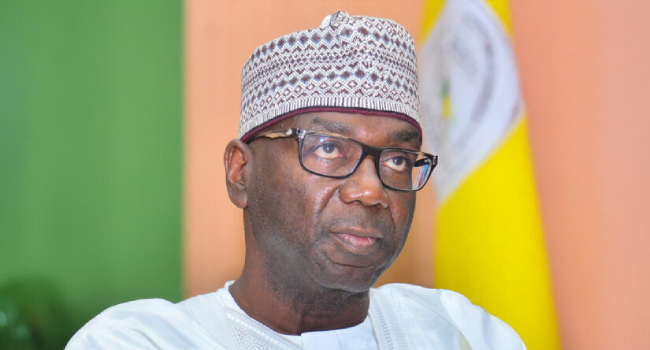
The proposed N100000 minimum wage is being considered by state governors as discussions continue with the Federal Government and organised labour over workers’ welfare and economic realities. Chairman of the Nigeria Governors’ Forum and Kwara State Governor, AbdulRahman AbdulRazaq, said consultations were ongoing to determine a sustainable wage structure. He noted that rising inflation and increasing living costs have intensified pressure on workers across the country. The proposal has therefore emerged as a major issue in national economic discussions. Stakeholders are expected to continue negotiations in the coming months.
Nigeria’s current statutory minimum wage stands at N70,000 following approval by President Bola Tinubu in 2024 after negotiations with labour unions. The legislation provides for periodic wage reviews as economic conditions change.
Since the implementation of economic reforms, including the removal of fuel subsidy, concerns have continued to grow over inflation, transportation costs, food prices, and the declining purchasing power of workers. Labour groups have repeatedly argued that wages must reflect prevailing economic realities. The N100000 minimum wage discussion comes amid wider debates over how governments can balance worker welfare with fiscal sustainability and development obligations.
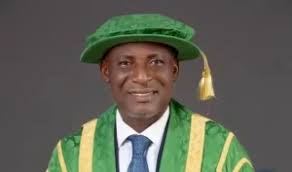
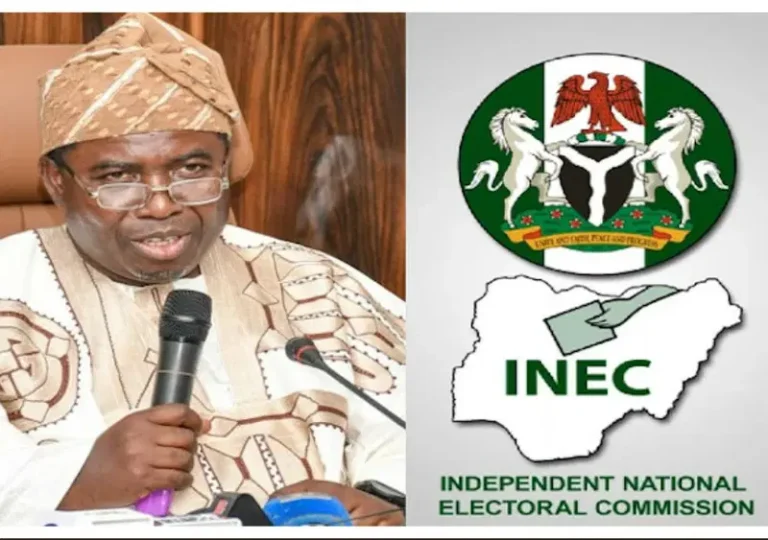
AbdulRahman AbdulRazaq disclosed that governors were considering a review of the national wage structure in response to growing economic pressures on workers. According to him, state governments are engaging the Federal Government and organised labour to reach a fair and sustainable agreement.
“State governments recognise the urgent need to improve workers’ welfare in response to the current economic realities facing Nigerians,” AbdulRazaq stated. He added that discussions were focused on protecting workers while ensuring states remain financially stable. The NGF chairman explained that policymakers must balance improved earnings with governments’ ability to fund infrastructure projects and public services. He noted that consultations were continuing to avoid placing excessive financial strain on subnational governments.
Speaking during a meeting with President Bola Tinubu and governors in Lagos, AbdulRazaq also urged consideration of a N100000 minimum wage nationwide. He argued that many states have experienced improved revenues following fiscal reforms and are now in stronger financial positions.
Labour leaders have likewise advocated broader wage reforms. The Nigeria Labour Congress has indicated interest in wage structures linked to inflation and living costs rather than fixed figures that quickly lose value during economic instability. The N100000 minimum wage proposal is expected to feature prominently in future discussions between government officials and labour representatives.
An increase in wages may improve workers’ purchasing power amid rising living expenses. Higher earnings could also support household spending and economic activity across different sectors.
However, analysts note that implementation costs may affect state finances, particularly in states with limited internally generated revenue. Policymakers are therefore expected to consider both welfare objectives and budget realities. The N100000 minimum wage debate also reflects broader concerns about inflation, currency stability, and long-term economic management. Labour leaders have argued that wage increases alone may not fully address declining purchasing power without wider economic reforms.