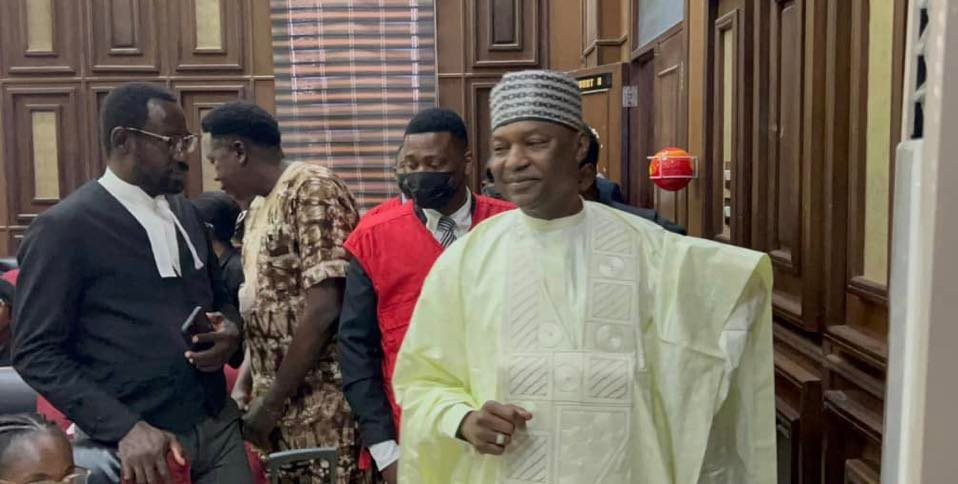

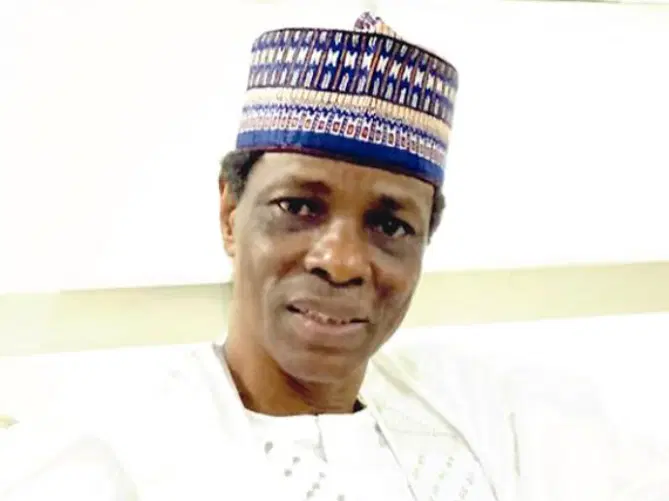
Former Deputy Governor of Sokoto State and former Minister of Water Resources, Alhaji Muktari Shagari, has intensified calls for the creation of state police, warning that Nigeria can no longer afford delays in implementing decentralised policing reforms amid rising insecurity.
Speaking in an interview, Shagari said insecurity across the country has reached a level where banditry, kidnapping and violent crime can no longer be effectively contained by overstretched federal security agencies alone. He argued that the debate should no longer be about whether state police is needed, but how it can be safely structured to prevent abuse while improving national security outcomes.
Shagari insisted that Nigeria’s security realities make the reform unavoidable. “There has never been a more appropriate time in Nigeria’s history to establish state police than now. Across the country, insecurity has become a major concern despite the efforts of the Federal Government and the security agencies.”
He noted that criminal activity, once concentrated in specific regions, has now spread across multiple parts of the federation, placing additional pressure on national policing structures. According to him, the system is already overstretched and unable to respond effectively to emerging threats.
Responding to concerns that governors could misuse state police for political purposes, Shagari said such fears should not be used to block reform.
“The bigger question is whether we should continue allowing Nigerians to be kidnapped, killed and terrorised while we focus on fears about what might happen in the future.”
He stressed that any abuse of power would still be subject to constitutional checks and democratic resistance. Shagari also argued that safeguards can and should be built into the legislation, including clear accountability structures and enforcement limits.
On funding, he acknowledged that some states may struggle to finance police operations, but insisted that security must remain the top priority of government spending. He said states already manage security votes and other related expenditures that could be redirected into structured policing frameworks. He also called for a blended funding model involving both state and federal contributions.
“There must be a funding arrangement that guarantees sustainability and transparency.”
He suggested that allocations from the Federation Account could be tied directly to operational needs such as salaries, logistics and equipment.
Shagari further addressed concerns that state police may be ill-equipped to confront heavily armed criminal groups. He noted that several states already support federal security agencies with logistics and equipment, which could be expanded under a decentralised system.
He also emphasised the importance of dismantling arms trafficking networks supplying criminal groups across the country. Beyond firepower, he argued that locally recruited officers would have an advantage in identifying informants and collaborators within communities.
On public trust, Shagari said the effectiveness of state police would depend on recruitment standards, training quality and accountability mechanisms. He stressed that officers must be properly trained to see themselves as protectors of citizens rather than instruments of intimidation. He also called for strong disciplinary frameworks to address misconduct and ensure professionalism.
“Community based policing has worked in the past because officers knew the people they served and communities saw them as partners rather than outsiders.”
Shagari warned that the success of state police would depend on insulating it from political interference. He said governors and political actors must recognise that security institutions are long-term structures that must outlive individual administrations. According to him, the legal framework must guarantee operational independence, professionalism and accountability.
While strongly supporting state police, Shagari cautioned against viewing it as a standalone solution to Nigeria’s security challenges. He said it must operate alongside the military, federal police, intelligence agencies and community-based security groups.
“State police should serve as a complementary structure. Effective security depends on cooperation, intelligence sharing and coordination among all agencies.”
Shagari concluded by urging the National Assembly to prioritise urgent legislative action on the matter. He said Nigerians are expecting decisive leadership capable of addressing worsening insecurity across the country.
“State police is not a luxury; it is becoming a necessity. The time for debate is gradually giving way to the time for action. Nigeria cannot afford further delays.”