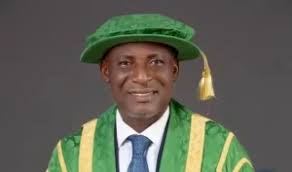
The Vice Chancellor of the University of Uyo, Professor Chris Ekong, has called for stronger support from the institution’s alumni as public universities continue to struggle with inadequate funding, warning that current allocations are insufficient to sustain quality teaching, research and infrastructure.
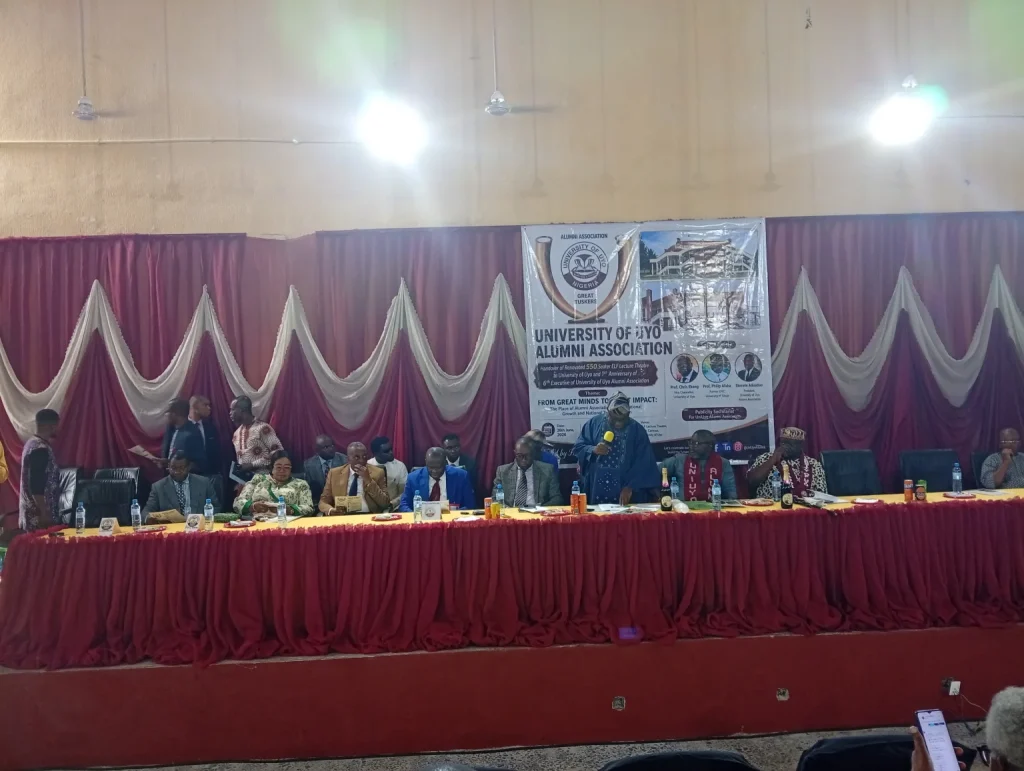
Ekong made the appeal during the University of Uyo Alumni Association’s first anniversary lecture and the official inauguration of the renovated 550-capacity ELF Lecture Theatre at the institution’s main campus along Nwaniba Road. The UniUyo funding deficit remains a major concern, according to the Vice Chancellor, who disclosed that capital allocations to public universities over the past four years have consistently remained below 10 per cent of what institutions require to operate effectively.
He also expressed concern over the Federal Government’s policy of collecting 25 per cent of universities’ internally generated revenue annually. According to him, institutions that fail to remit the required amount risk deductions from their personnel budgets.
“It’s disappointing that Nigerian universities are still not being well funded. Capital budget for the past four years given to universities is less than 10 percent. The universities have no money, but federal officials are coming every year to collect 25% of the internally generated revenue and if you don’t give they will charge from your personnel budget,” Ekong said.
Highlighting the role graduates can play in institutional development, Ekong thanked the alumni association for renovating the lecture theatre and announced plans to include representatives of the association on his advisory committee.
He explained that the arrangement would give alumni greater insight into how university resources are managed and encourage broader participation in institutional growth. The UniUyo funding deficit has made stronger alumni engagement increasingly important, he noted, urging former students to continue supporting infrastructure, innovation and other developmental projects.
Earlier, Alumni Association President Mr. Ekerete Adiaiduo highlighted several projects completed within the association’s first year. Among them was intervention in the university’s prolonged transcript issuance challenges through the donation of a generating set to improve electricity supply at the Examinations and Records Unit.
According to Adiaiduo, the intervention restored operational efficiency and eased delays affecting graduates seeking academic documents for employment and international opportunities. He added that the association has also intensified efforts to reconnect with University of Uyo graduates living abroad, with the aim of attracting their expertise, professional networks and investments to support institutional development.
Delivering the keynote lecture titled From Great Minds to Great Impacts: The Role of Alumni Associations in Institutional Growth and National Transformation, former Deputy Vice Chancellor of the University of Abuja, Professor Philip Afaha, urged alumni associations nationwide to prioritise development rather than personal interests.
Afaha warned against turning alumni platforms into avenues for lobbying for contracts, employment or admission opportunities, stressing that their primary responsibility should be supporting universities through scholarships, grants, research funding, infrastructure development and endowment initiatives.
He argued that with Nigeria’s economic realities, universities can no longer depend solely on government funding, making alumni contributions essential to long-term institutional sustainability. The UniUyo funding deficit reflects wider financial pressures confronting public universities across Nigeria, as stakeholders continue to advocate stronger partnerships between institutions and their graduates to sustain quality higher education.