

Petrol import licences have come under renewed debate after manufacturers rejected a World Bank proposal suggesting their reinstatement in Nigeria. The Manufacturers Association of Nigeria said the move would weaken local refining capacity. It warned that it could reverse progress made in domestic fuel production. The reaction follows ongoing discussions on energy policy and inflation control.
Petrol import licences have been a key feature of Nigeria’s downstream petroleum regulation for years. Recent reforms have reduced reliance on imported petrol following growth in local refining capacity.
The World Bank, in its Nigeria Development Update for April 2026, recommended reconsidering import restrictions. It argued that increased imports could help stabilize fuel supply and pricing. However, manufacturers maintain that Nigeria’s policy direction should prioritise domestic production. They argue that recent investments in refining infrastructure are beginning to yield results.
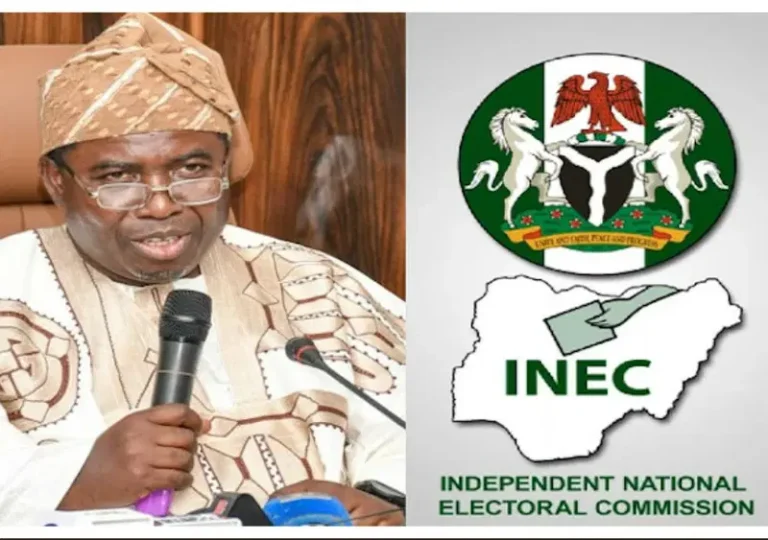
Petrol import licences were described as counterproductive by the Manufacturers Association of Nigeria in a statement issued by its Director-General, Segun Ajayi-Kadir. He said reinstating them would expose the economy to foreign exchange pressure.
The association warned that increased imports would worsen inflationary pressures.
It also stated that Nigeria’s industrial base could be weakened by reliance on imported fuel. MAN noted that local refining capacity has improved due to policy support and private investment. It argued that maintaining current restrictions encourages further domestic production.
The group added that import dependence could lead to job losses and capital flight.
It called for sustained protection of local refining investments. Other industry stakeholders have also expressed concerns over increased fuel imports. They argue that stability in domestic production is critical for energy security.
Petrol import licences debate reflects broader tensions between import reliance and domestic production strategy. Reinstating licences could increase supply in the short term but affect local refining growth.
Manufacturers warn that policy reversal may discourage investment in Nigeria’s energy sector.
It could also increase exposure to global price fluctuations and currency risks. Supporters of domestic refining argue that continued protection is necessary for long-term stability. The policy direction will influence industrial competitiveness and energy security.