

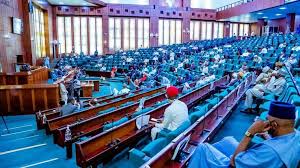
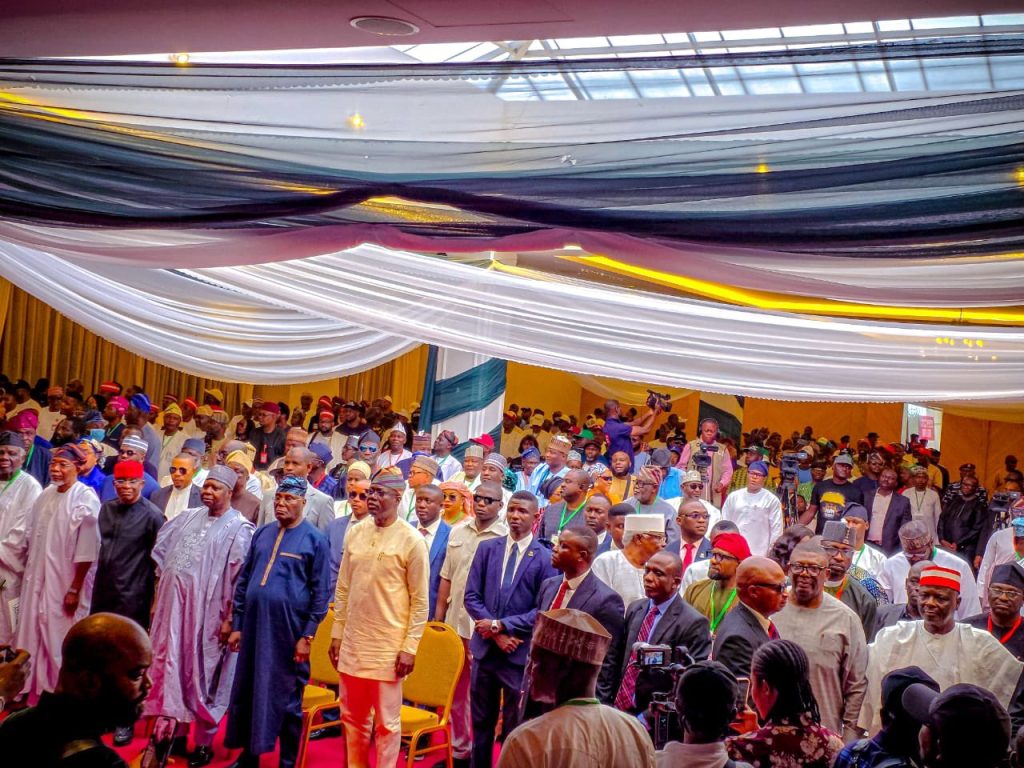
Single presidential candidate plan has been adopted by opposition parties ahead of the 2027 elections. Leaders reached the agreement during a national summit held in Ibadan. Single presidential candidate strategy was announced by PDP factional chairman Tanimu Turaki. The move is aimed at strengthening opposition coordination nationwide.
Opposition parties in Nigeria have faced fragmentation in past elections. Multiple candidates across parties have often split votes. This pattern has influenced electoral outcomes in recent cycles.
The 2027 elections are expected to attract strong competition. Political actors have intensified coalition discussions ahead of the polls. The Ibadan summit brought together leaders across party lines. The meeting formed part of broader efforts to consolidate opposition strength. It also reflects ongoing realignments within Nigeria’s political space.
The agreement was contained in a communiqué issued after the summit. It stated that opposition parties would work towards a unified candidate.
Turaki said: “We will field only one presidential candidate.”
The resolution was adopted at a gathering of opposition leaders in Ibadan. Participants included Atiku Abubakar, Peter Obi, and Rotimi Amaechi. The summit also produced what was described as the Ibadan Declaration. The document outlined collective positions on political and electoral issues.
Leaders said the single presidential candidate approach would prevent vote fragmentation. They noted it would improve coordination across opposition platforms. The parties also expressed concerns about the state of democracy. They reaffirmed commitment to a multi-party system in Nigeria.
The single presidential candidate plan signals a shift in opposition strategy.
It may reshape alliances ahead of the 2027 elections. Unified candidature could strengthen electoral competitiveness. It may also influence party negotiations and candidate selection processes.
The approach requires agreement among diverse political actors. Consensus building will be central to its implementation. The development places the opposition at a strategic turning point. It reflects efforts to coordinate political messaging and structure.