

More than 100 imported vegetable oil brands are still dominating Nigeria’s market despite the Federal Government’s prohibition on the products, according to the Vegetable and Edible Oil Producers Association of Nigeria (VEOPAN). The association’s National Chairman, Chief Okey Ikoro, said the continued influx of imported vegetable oil has undermined local investments and weakened confidence among producers who expanded operations following government protection measures.
He blamed regulatory agencies for failing to enforce the ban and allowing prohibited products to enter the country. The concerns come amid growing complaints from local manufacturers about the impact of smuggling and policy implementation failures on the industry.
The Federal Government retained vegetable and edible oil products on its prohibition list under the 2026 fiscal policy measures to encourage local production and support backward integration within the sector.
According to VEOPAN, the policy initially delivered positive results after its introduction in 2023. Major industry players, including companies such as Okomu, Presco, and PZ Wilmar, reportedly embarked on expansion projects and invested heavily in local production capacity due to the protection provided by the ban.
However, industry operators say implementation of the policy began to weaken in 2024 and 2025, resulting in a surge of imported vegetable oil products across Nigerian markets. The association argues that weak enforcement has reversed many of the gains achieved under the policy.
Speaking during an interview on Arise Television, Ikoro said local markets are currently saturated with imported vegetable oil brands despite the prohibition policy.
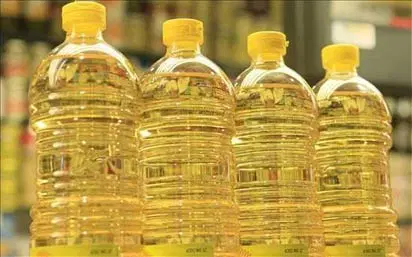
According to him, more than 100 imported vegetable oil brands can be found in markets nationwide, many packaged in yellow jerry cans and bearing unfamiliar labels. He attributed the situation to what he described as enforcement failures by agencies including the Nigeria Customs Service, the National Agency for Food and Drug Administration and Control (NAFDAC), and the Standards Organisation of Nigeria (SON).
Ikoro said: “If you go into the local market, you will see more than 100 brands of vegetable oil coming in from outside the country, in yellow jerry cans with funny labels.”
He further disclosed that members of the association recently intercepted three trailers allegedly transporting smuggled vegetable oil through the Badagry axis. According to him, NAFDAC officials confirmed that the products fell within the category of prohibited imports.
The VEOPAN chairman stated that local companies invested significant resources in backward integration projects based on expectations that the prohibition policy would be properly enforced. He warned that continued market dominance by imported vegetable oil is discouraging further investment and creating uncertainty for operators.
Industry stakeholders warn that continued inflows of imported vegetable oil could weaken Nigeria’s domestic edible oil value chain. They argue that poor enforcement reduces incentives for investment in oil palm plantations, processing facilities, and related agricultural activities.
Producers also contend that unchecked imports may threaten employment within the sector and undermine government efforts to strengthen food security and local manufacturing. The association has called for stricter border controls and improved collaboration among enforcement agencies.