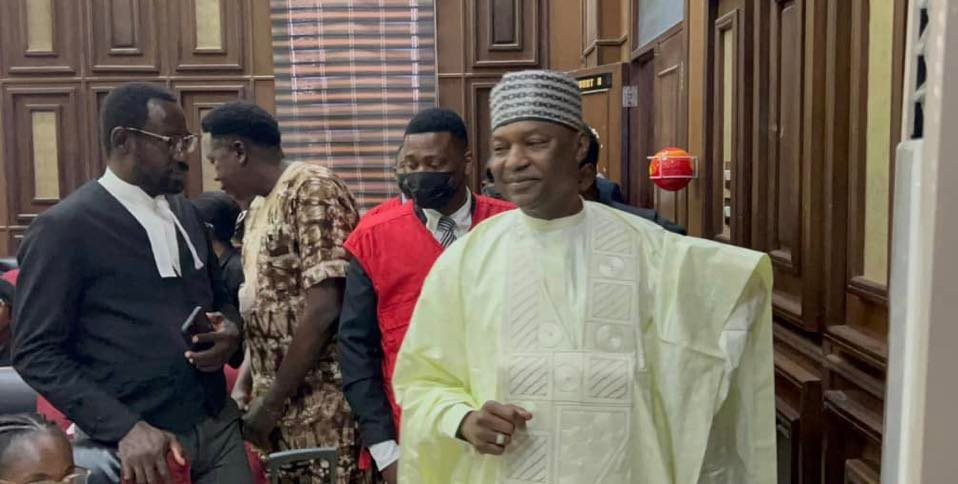




Certificate forgery case involving former Minister of Innovation, Science and Technology, Uche Nnaji, and the University of Nigeria, Nsukka, has moved toward an out-of-court settlement. The development was disclosed during proceedings at the Federal High Court in Abuja. Parties in the suit indicated willingness to resolve the dispute amicably. The case stems from allegations related to academic credentials.
Certificate forgery case began after allegations emerged that Uche Nnaji forged his university degree and National Youth Service Corps certificates. The claims followed media reports that questioned the authenticity of his academic records.
The controversy led to his resignation as minister in 2025. He had served as Minister of Innovation, Science and Technology before stepping down amid the dispute. Following the allegations, Nnaji filed a suit before the Federal High Court. He sought to stop the university from releasing his academic records. The case involves multiple parties, including the Minister of Education and the National Universities Commission.
Certificate forgery case was scheduled for hearing of pending applications before Justice Hauwa Yilwa. At the resumed sitting, counsel to Nnaji, Ope Muritala, informed the court of a new development.
He said parties were exploring an out-of-court settlement. “There was a new development as parties were exploring an out-of-court settlement,” he told the court. Muritala requested an adjournment to allow negotiations to proceed. Lawyers representing the Minister of Education and the National Universities Commission said they were unaware of the development.
They stated that the update was being heard for the first time in court. However, they did not oppose the application for adjournment. Counsel representing the University of Nigeria, Nsukka, also confirmed awareness of the settlement plan. The court acknowledged the request and allowed time for discussions to continue.
Certificate forgery case highlights the role of alternative dispute resolution in Nigeria’s legal system. Out-of-court settlements can reduce litigation time and ease pressure on courts.
The development may affect how similar disputes involving public officials are handled.
It also reflects the interaction between legal proceedings and public accountability. The case remains significant due to its connection to public office and institutional credibility.
Its resolution may influence future legal and administrative actions in similar cases.