The current Electoral Act was enacted in 2022 to regulate the conduct of federal, state, and Federal Capital Territory area council elections. Since its implementation during the 2023 elections, lawmakers, political parties, civil society groups, and legal experts have identified areas requiring review and clarification.
Debates around the Electoral Act amendment process intensified earlier in 2026 following disagreements over electronic transmission of results, election timelines, and dispute resolution procedures. The proposed reforms generated reactions from opposition lawmakers, civil society organisations, and election observers concerned about transparency and electoral credibility.
The National Assembly has since conducted multiple reconsiderations of portions of the bill to address concerns relating to logistics, constitutional compliance, and the scheduling of the 2027 elections.
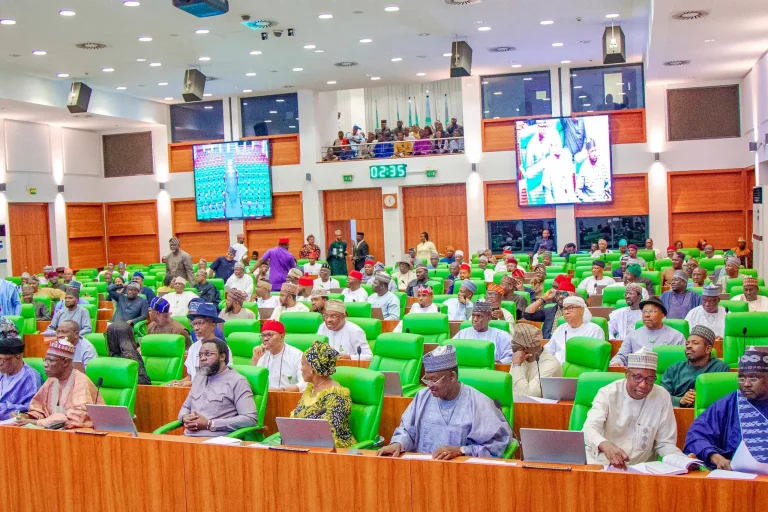
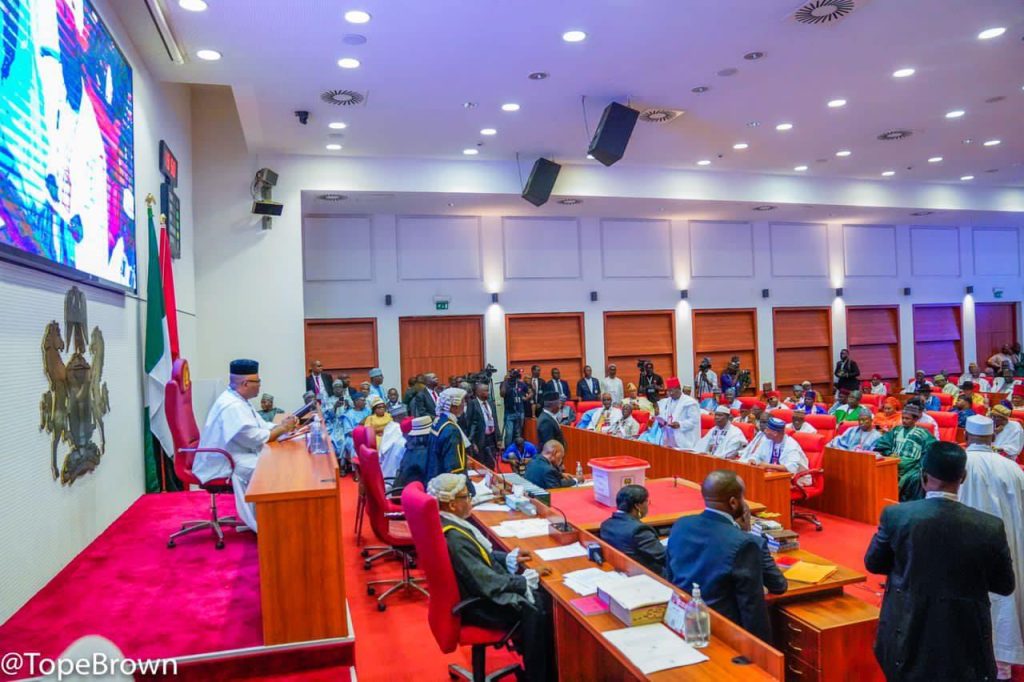
Presenting the committee report during plenary, Senator Simon Lalong said the Electoral Act amendment bill was designed to resolve “persistent procedural and constitutional challenges” affecting Nigeria’s electoral jurisprudence.
The Senate subsequently considered and approved the bill through clause-by-clause review before passing it at third reading. Among the issues addressed by the legislation are timelines for election notices, handling of pre-election matters, and jurisdictional procedures relating to electoral disputes.
Earlier deliberations on the Electoral Act amendment also focused heavily on electronic transmission of results. The Senate retained provisions allowing the Independent National Electoral Commission to determine the mode of result transmission rather than making real-time electronic transmission mandatory in all circumstances.
The adopted provision states that where electronic transmission fails because of communication challenges, signed polling unit result forms may serve as the primary source for collation and declaration of results.
Lawmakers additionally reviewed election notice timelines after concerns emerged that earlier provisions could place parts of the 2027 electoral schedule within the Ramadan fasting period. This led to emergency reconsideration sessions in February.
The Electoral Act amendment process also attracted criticism from several public figures and advocacy groups. Former Minister of Education Oby Ezekwesili warned lawmakers against weakening electoral safeguards, while opposition legislators staged protests during earlier legislative proceedings.
Passage of the Electoral Act amendment bill is expected to influence the legal and operational framework for the 2027 general elections. Electoral timelines, dispute resolution mechanisms, and technology deployment procedures may all be affected by the final provisions of the legislation.
The reforms may also shape public confidence in the electoral process, especially regarding transparency in result management and judicial handling of election-related disputes. Stakeholders are likely to continue scrutinising the legislation as harmonisation processes between the Senate and House of Representatives progress.