

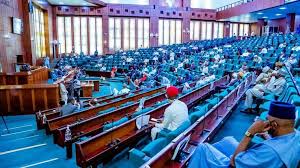
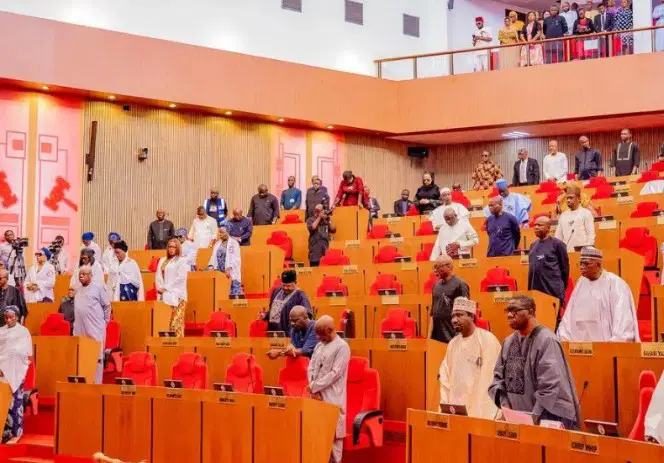
The Nigerian Senate on Thursday rescinded the controversial Senate ranking rule introduced earlier in the week, reopening the contest for Senate President and other presiding offices ahead of the 2027 political transition. The reversal followed deliberations during plenary in Abuja after lawmakers raised constitutional and procedural concerns over the amendment. The earlier provision had restricted eligibility for key Senate leadership positions to ranking lawmakers and senators with continuous legislative experience.
The Senate had initially amended its Standing Orders on Tuesday after a lengthy executive session chaired by Senate President Godswill Akpabio. The amendment introduced stricter eligibility conditions for senators seeking leadership positions in the incoming 11th National Assembly. Under the previous arrangement, only senators who had served at least two consecutive terms immediately before nomination could contest for presiding and principal offices.
The amendment also established a hierarchy for leadership selection. Priority was given to former Senate Presidents, former Deputy Senate Presidents, former Principal Officers, senators with at least one completed term, lawmakers returning from the House of Representatives, and finally first-time senators where no senior candidates emerged. Critics argued that the rule effectively excluded incoming lawmakers and political figures expected to join the Senate after the 2027 elections.
Senate Leader Opeyemi Bamidele sponsored the motion reversing the Senate ranking rule during Thursday’s plenary session presided over by Deputy Senate President Jubril Barau. According to Bamidele, the Senate reconsidered the amendment after further legislative and constitutional review. He said certain provisions could create inconsistencies with the Constitution of the Federal Republic of Nigeria and existing parliamentary conventions.
Presenting the motion, Bamidele stated that the Senate possesses the authority to revisit and recommit previously adopted decisions in order to protect legislative integrity. He explained that the reversal became necessary to maintain consistency with constitutional procedures and democratic legislative practices.
The Senate ranking rule reversal now allows all elected senators to contest for leadership positions regardless of tenure or previous service history. The decision is expected to widen the field ahead of contests for Senate President, Deputy Senate President, and other principal offices after the 2027 elections. Political observers noted that the earlier amendment had generated debate over inclusiveness and internal democracy within the upper legislative chamber.
Reports indicated that the original amendment may have affected prospective aspirants expected to return to the Senate after serving in executive positions. Some lawmakers argued that restricting leadership contests to a narrow group could limit competition and reduce broader participation within the National Assembly.
The Senate ranking rule debate also reflects increasing political preparations ahead of the 2027 elections, with parties and political actors already positioning for future leadership contests across several institutions. The latest reversal signals a return to a more open leadership selection process within the Senate.