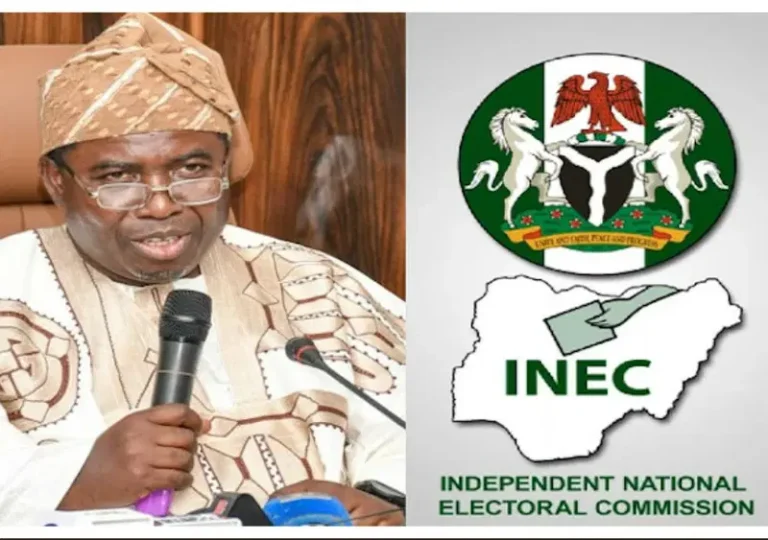


Nigeria’s House of Representatives has begun moves to establish a national alcohol regulation framework aimed at tightening controls on alcohol production, advertising, distribution, and consumption across the country. Lawmakers said the proposed legislation is designed to address rising concerns over substance abuse, public health risks, and social consequences linked to alcohol misuse. The bill, sponsored by Chairman of the House Adhoc Committee on Drug Trafficking, Tobacco and Alcohol Abuse, Oluwatimehin Adelegbe, has already passed first reading in the House.
Nigeria currently operates a fragmented system of alcohol control through agency guidelines, state regulations, and sector-specific policies. Unlike several countries with comprehensive national alcohol laws, the country lacks a unified legal structure governing alcohol-related issues.
Public health stakeholders and advocacy groups have repeatedly raised concerns about increasing alcohol abuse, especially among young people. Health experts have also linked substance abuse to road accidents, violent crimes, addiction, mental health conditions, and domestic violence.
The proposed alcohol regulation framework comes amid broader national discussions on drug abuse and preventive public health measures. The National Drug Law Enforcement Agency has consistently warned about rising substance dependence among Nigerian youths, prompting renewed calls for stricter regulation and enforcement mechanisms.
The proposed legislation is titled, “A Bill for an Act to Provide for the Control, Regulation and Reduction of Alcohol-Related Harm in Nigeria.” According to lawmakers, the bill seeks to regulate the production, importation, marketing, advertisement, sale, and consumption of alcoholic beverages nationwide.
The bill also proposes stricter safeguards for minors and vulnerable groups, while introducing stronger public awareness and harm-reduction measures.
Speaking in Abuja, Adelegbe said the proposed alcohol regulation framework is intended to balance public health priorities with legitimate business interests within the alcohol industry. He stated: “This bill is not about prohibition. It is about protection, responsibility, and national development.”
According to him, the legislation followed consultations involving government institutions, public health experts, civil society organisations, and industry stakeholders. Adelegbe disclosed that technical input for the bill came partly from A New Thing International Foundation, led by Ambassador Kenneth Anetor, who serves as Lead Consultant to the House Committee on Drug Trafficking, Tobacco and Alcohol Abuse.
Anetor said the proposed alcohol regulation framework represents a shift toward preventive public health systems. He noted that the legislation aligns with international standards while preserving responsible industry participation. If passed into law, the framework would strengthen enforcement systems, improve alcohol-related data collection, regulate advertising exposure, and establish national harm-reduction strategies.
The proposed alcohol regulation framework could significantly reshape alcohol policy and public health regulation in Nigeria. Stronger controls on access and advertising may affect consumer protection standards, youth exposure, and enforcement practices nationwide.
The bill may also influence how federal agencies coordinate public health interventions related to substance abuse. Industry stakeholders are expected to participate during committee reviews and public hearings as lawmakers refine the proposed legislation.
Public health advocates believe a coordinated national framework could strengthen preventive measures and improve accountability within the alcohol industry.