
Deputy Speaker of the House of Representatives, Benjamin Kalu, has called for stronger local arms production in Nigeria, urging stakeholders in the defence sector to reduce the country’s dependence on imported military equipment and build a sustainable domestic defence industry.
Kalu also appealed to financial institutions to strengthen monitoring systems and close channels used by criminal and terrorist groups to move illicit funds, describing security as a collective national responsibility that requires cooperation across multiple sectors.
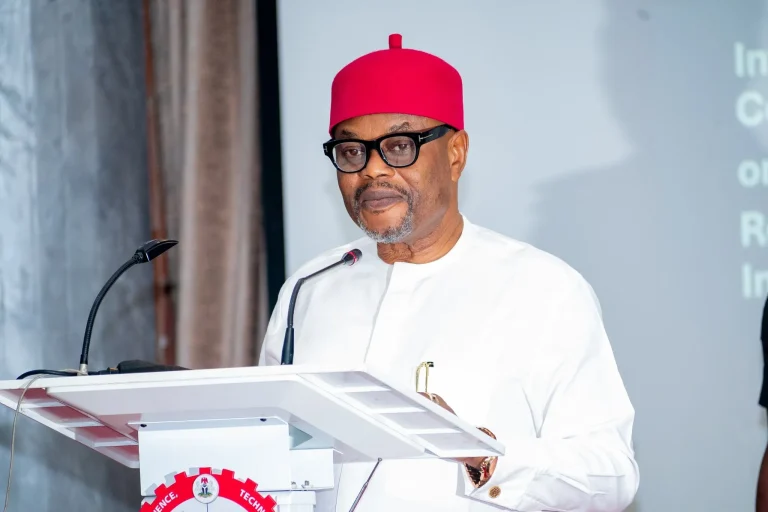
The Deputy Speaker made the call during the Nigeria People’s Strategic Conference and Defence Exhibition 2026 held in Abuja. The event, themed “Building a Modern Security Ecosystem: Integrating Private Sector Capacity into Nigeria’s National Security Architecture,” brought together policymakers, security experts, industry leaders and other stakeholders to discuss strategies for strengthening national security.
According to Kalu, Nigeria must prioritise local arms production as part of efforts to build a self-reliant defence architecture capable of meeting the country’s security needs while creating employment opportunities and reducing external vulnerabilities.
He stressed that the nation could no longer afford excessive dependence on foreign defence equipment when domestic capacity could be developed and expanded.
Addressing participants, Kalu said every sector represented at the conference should leave with clear responsibilities and measurable commitments toward strengthening Nigeria’s security framework.
He urged the defence industry to deepen local arms production, while calling on technology companies to develop platforms that can improve intelligence gathering, information sharing and early-warning systems within communities. According to him, the financial sector must play a more aggressive role in identifying and disrupting criminal funding networks.
“Every sector represented in this room must leave with a specific, measurable role in Nigeria’s security architecture. The defence industry must deepen local capacity so that we do not import what we can produce,” Kalu said.
He added that financial institutions should tighten due diligence processes and strengthen transaction monitoring mechanisms to prevent criminal organisations and terrorist groups from accessing funding channels.
“The financial sector must tighten the chokepoints through which criminal and terrorist financing flows,” he stated.
Kalu also highlighted the role of civil society organisations in fostering trust between communities and government institutions, noting that sustainable peace depends on stronger relationships between citizens and authorities.
He said civil society groups should continue serving as bridges that encourage dialogue, cooperation and conflict prevention at the grassroots level. On the role of the National Assembly, the Deputy Speaker pledged continued legislative support through constitutional reforms, budgetary allocations and oversight functions.
“We will continue to review the constitution where it needs reviewing. We will appropriate resources where resources are needed. We will provide oversight to ensure that what is promised is delivered,” he said.
He added that lawmakers would continue to enact laws aimed at protecting citizens and strengthening national security rather than pursuing public approval.
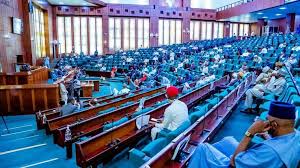
The Deputy Speaker referenced the recent House of Representatives vote supporting a constitutional amendment on state police, describing the outcome as a demonstration of national commitment to security. According to him, the House voted overwhelmingly in favour of measures designed to improve public safety.
“I am proud to serve in an assembly that just two days ago voted 289 to 2 in favour of a safer Nigeria. That near-unanimity was not partisan. It was patriotic,” Kalu said.
He argued that such unity should extend beyond the legislature and be reflected across government institutions, private organisations and communities.
Addressing concerns about the country’s security challenges, Kalu rejected suggestions that Nigeria was a failing state. Instead, he described the nation as one actively confronting its difficulties and striving toward improvement.
“Nigeria is not failing; Nigeria is fighting. There is a difference. A failing country stops trying. Nigeria has never stopped trying,” he said.
The Deputy Speaker noted that resilience alone would not solve the country’s challenges, stressing the need for stronger institutions, effective policies and coordinated action. He concluded by calling for collective commitment to building a security system capable of protecting lives, preserving national stability and rewarding the sacrifices already being made by Nigerians.
“There is a Nigeria on the other side of this season. That Nigeria is not a promise. It is a project. A project that belongs to all of us,” Kalu stated.
The call for enhanced local arms production and stronger financial monitoring reflects growing efforts to strengthen Nigeria’s security architecture through domestic capacity building, institutional reforms and multi-sector collaboration. Kalu maintained that lasting security would require coordinated action from government, industry, civil society and citizens working toward a shared national objective.