

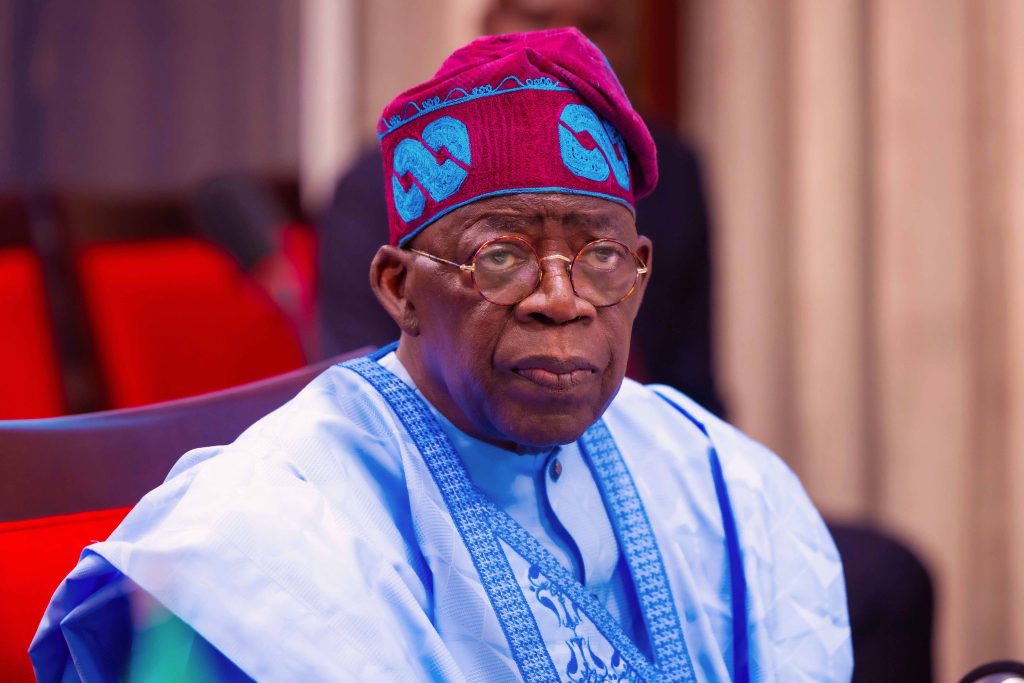
President Bola Tinubu has defended the difficult policy decisions taken since assuming office on May 29, 2023, stating that the country’s ongoing Economic Reforms Recovery efforts were necessary to prevent a deeper national crisis. Speaking while reflecting on his administration’s third anniversary, the President acknowledged the sacrifices made by Nigerians but maintained that reforms were beginning to produce measurable results across key sectors of the economy.
Tinubu assumed office amid significant economic challenges, including fuel subsidy costs, exchange-rate distortions, rising debt-servicing obligations, declining revenues, insecurity, and infrastructure deficits. According to the President, the administration faced difficult choices between maintaining existing policies and implementing reforms aimed at restoring economic stability. He said the government opted for measures designed to strengthen public finances and improve long-term growth prospects.
The President noted that the fuel subsidy regime had become unsustainable, revealing that Nigeria spent as much as ₦18.4 billion daily on petrol subsidies, with total expenditure exceeding ₦4 trillion in 2022. He also cited challenges within the foreign exchange system, stating that multiple exchange-rate windows and arbitrage practices contributed to significant economic distortions.
As part of the administration’s Economic Reforms Recovery agenda, Tinubu highlighted improvements in financial markets and public finances. According to him, the Nigerian stock market recorded substantial growth, with the All Share Index rising from 53,000 in 2023 to 250,000 in 2026, while market capitalisation increased from ₦30 trillion to ₦160 trillion.
The President also pointed to major infrastructure investments. He disclosed that more than 2,700 kilometres of highways and major roads are currently under construction, reconstruction, or rehabilitation across the country. Projects highlighted include the Lagos-Calabar Coastal Highway, Sokoto-Badagry Super Highway, Abuja-Kaduna-Zaria-Kano Road, and the East-West Road.
In the oil and gas sector, Tinubu said reforms had attracted fresh investments, while the $5 billion NLNG Train 7 project was approaching completion. He added that increased domestic refining capacity was helping to reduce dependence on imported petroleum products.
The President said the government’s Economic Reforms Recovery strategy extends beyond macroeconomic policies.
He disclosed that the Nigerian Education Loan Fund had provided access to higher education for more than 1.5 million students, with over ₦282 billion disbursed. Tinubu also highlighted ongoing housing projects delivering over 10,000 housing units across 14 states and the Federal Capital Territory, alongside efforts to revitalise primary healthcare centres and expand health insurance coverage.
In agriculture, he said government programmes were supporting farmers through improved seedlings, fertiliser distribution, mechanisation, irrigation, and access to finance.
While acknowledging progress, Tinubu identified insecurity as one of the country’s most pressing challenges. He stated that security agencies had intensified operations against terrorists, bandits, kidnappers, and other criminal groups, while investments in intelligence, surveillance, and logistics continued.
The President said the next phase of the administration’s agenda would focus on ensuring that the benefits of Economic Reforms Recovery are felt more directly by ordinary Nigerians through lower living costs, job creation, improved infrastructure, and greater economic opportunities.
Three years into his administration, President Tinubu maintains that difficult reforms were necessary to stabilise Nigeria’s economy and position the country for sustainable growth. While challenges remain, the government says ongoing investments in infrastructure, education, energy, healthcare, and security are intended to translate economic gains into tangible improvements in citizens’ daily lives.