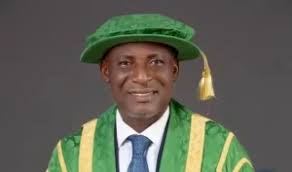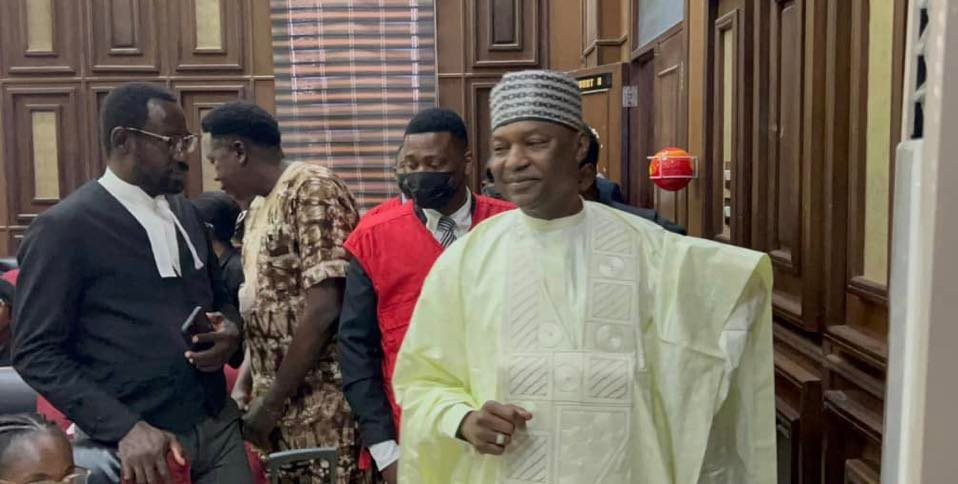
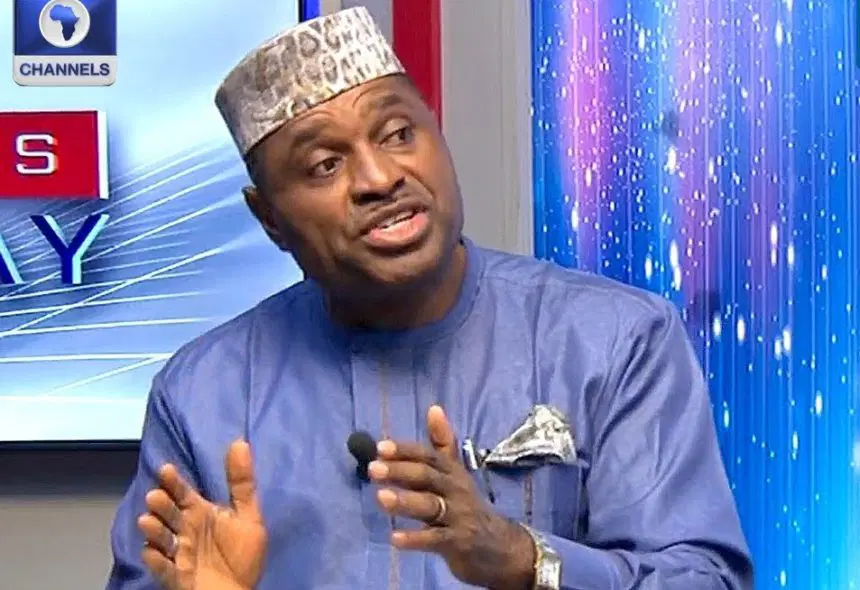
Kenneth Okonkwo, spokesperson for former Vice-President Atiku Abubakar’s 2027 presidential campaign, has defended the former vice-president’s proposal to restore petrol subsidy if elected. Okonkwo said the proposal was not a return to Nigeria’s previous subsidy regime but an intervention designed to make petrol more affordable for ordinary Nigerians. He made the clarification while appearing on Channels Television’s Sunday Politics.
Atiku, the presidential candidate of the African Democratic Congress, had said on Wednesday that he would restore petrol subsidy if elected president in 2027.
The position sparked criticism, particularly because of his reported advocacy for the removal of subsidy during the 2023 presidential campaign. President Bola Ahmed Tinubu subsequently criticised the proposal, describing it as evidence of what he called “serious ignorance of governance and economy.”
Tinubu had argued that the previous subsidy arrangement placed a substantial financial burden on the country. However, Okonkwo said the President had misunderstood the proposal being advanced by Atiku. He maintained that the Atiku fuel affordability plan was fundamentally different from the system previously operated by successive administrations.
“The whole idea of the Atiku plan is affordability of fuel to the ordinary Nigerian,” Okonkwo said.
He added that it was incorrect to suggest that Atiku intended to recreate the former subsidy regime.
According to Okonkwo, the proposal, known as the Atiku Fuel Affordability Plan (AFAP), would rely heavily on Nigeria’s growing domestic refining capacity.
He explained that the plan would involve making crude oil available to domestic refineries at prices considered fair enough to allow them to produce petroleum products at lower costs. The campaign spokesman said cheaper production would ultimately translate into more affordable petrol for consumers.
“He said, ‘I will supply the needed crude to our local refineries at a price that will be fair enough for them to use to produce the fuel at a reduced and affordable price to Nigerians,’” Okonkwo said.
The Atiku fuel affordability plan, he argued, is therefore based on domestic production rather than the import-dependent structure associated with the previous subsidy system.
Okonkwo argued that Nigeria would not have needed the previous subsidy arrangement if successive governments had developed sufficient domestic refining capacity. He said the country’s heavy dependence on imported petrol created conditions that allowed the subsidy system to become vulnerable to manipulation.
“This was the way the subsidy of the old operated. They were importing 100 per cent of the fuel. We didn’t have any refinery,” he said.
According to him, the import-dependent arrangement created opportunities for disputes over volumes and prices, with the financial burden eventually borne by the Nigerian public. He stressed that this was not the model Atiku was proposing.
The debate over petrol pricing has become an important political issue ahead of the 2027 presidential election. Atiku has also questioned what happened to the savings generated from the removal of petrol subsidy under the Tinubu administration.
The government, however, has maintained that subsidy removal was necessary to reduce the financial burden on the country and redirect resources towards other priorities. Okonkwo insisted that Atiku’s proposal should instead be understood as an attempt to reduce the cost of petrol through domestic refining and strategic government intervention.
“Atiku is not going back to that and cannot even go back to that,” he said.
The disagreement highlights a broader debate over whether Nigeria’s petroleum policy should prioritise market-based pricing or targeted government intervention to protect consumers from high fuel costs.