

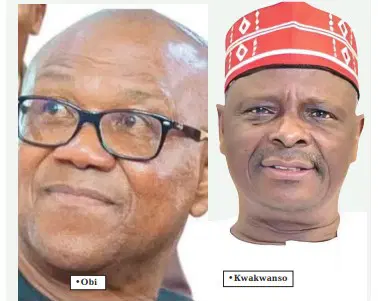
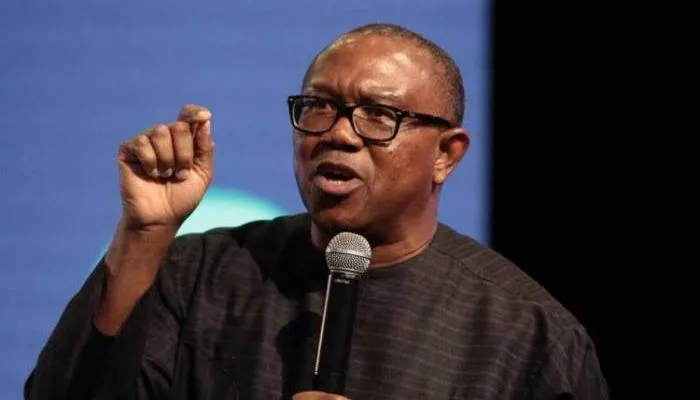
The Labour Party’s 2023 presidential candidate, Peter Obi, has raised concern over Nigeria’s worsening socio-economic conditions, stating that 141 million Nigerians are currently living in poverty while political leaders remain preoccupied with power struggles rather than governance and development.
Mr. Obi made the remarks while reacting to recent political developments across the country, stressing that the nation’s leadership priorities appear disconnected from the realities facing ordinary citizens. According to him, the scale of poverty in Nigeria demands urgent and sincere attention, yet political discourse continues to revolve around elections, alignments, and personal ambitions.
He said, “141 million Nigerians are poor while politicians jostle for power,” warning that the country risks deeper social and economic instability if governance does not shift toward addressing hunger, unemployment, and declining living standards.
Obi argued that Nigeria’s poverty figures reflect long-standing structural problems, including weak institutions, poor fiscal discipline, insecurity, and insufficient investment in critical sectors such as education, healthcare, and small-scale enterprise. He maintained that without deliberate policies focused on productivity and inclusive growth, poverty levels would continue to rise.
The former Anambra State governor also criticised what he described as misplaced priorities among political actors, noting that the constant struggle for power has overshadowed discussions about economic reform, accountability, and service delivery. He stressed that leadership should be measured by its impact on citizens’ welfare rather than electoral calculations.
Obi’s comments come amid growing public concern over rising food prices, unemployment, and the effects of recent economic reforms on low-income households. Data from development agencies and local economists have continued to highlight Nigeria as one of the countries with the largest population of people living in extreme poverty.
He reiterated his position that governance must be anchored on compassion, competence, and prudent management of national resources, adding that meaningful progress would only be possible if leaders place citizens’ well-being at the centre of decision-making.
The statement has sparked renewed debate online, with supporters echoing Obi’s call for people-centred leadership, while others argue over responsibility for Nigeria’s economic challenges and the role of successive administrations.