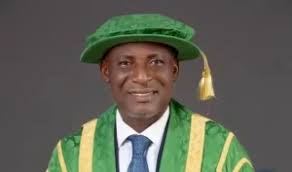

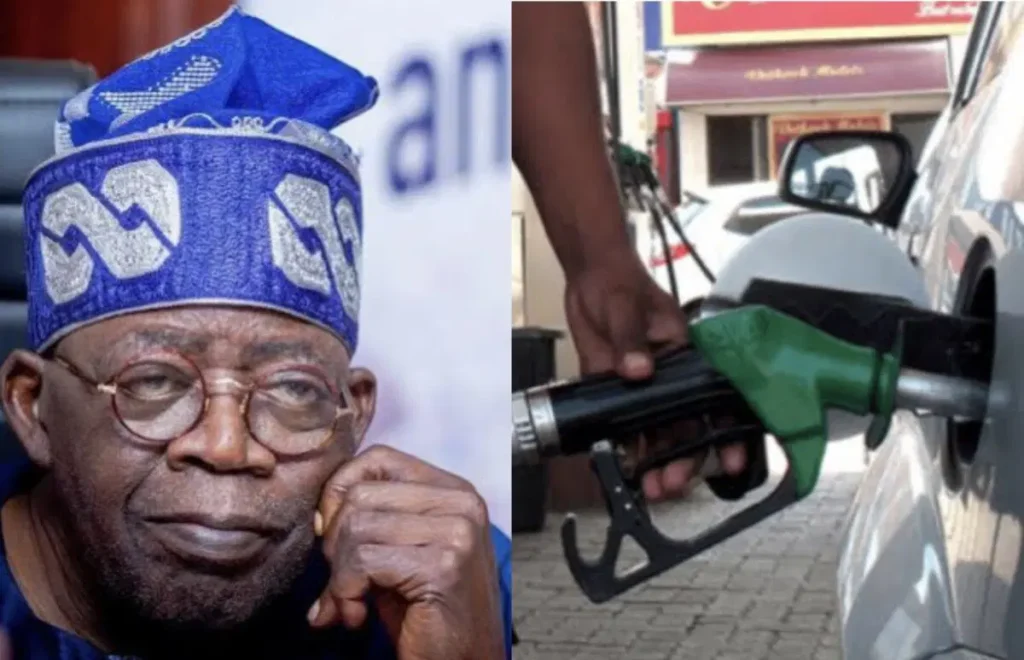
The Federal Government and organised labour have disagreed sharply over how savings from the removal of fuel subsidy have been utilised, with the government linking the funds to debt servicing, higher workers’ wages and student support. Minister of Finance and Coordinating Minister of the Economy, Taiwo Oyedele, said the savings had helped the government meet obligations arising from the economic reforms, including financing Ways and Means, servicing debt and supporting the increased federal wage bill.
Oyedele spoke in Abuja at the ongoing 7th Africa Emerging Markets Forum, where he acknowledged persistent questions from Nigerians over what happened to the money saved after subsidy removal. He said the combined impact of fuel and foreign exchange subsidies had previously amounted to about five per cent of Nigeria’s Gross Domestic Product.
According to the minister, the purpose of the reforms was not simply to save money but to eliminate distortions and corruption associated with the subsidy system. He said the government would soon release a detailed breakdown showing the amount saved and how the funds had been deployed.
Oyedele explained that the reforms had created additional financial pressures, including higher interest rates and a significant increase in government’s personnel costs. He noted that the minimum wage had risen from N30,000 to N70,000, substantially increasing the government’s wage bill, while interest rates on debt had also risen sharply.
The minister also cited the Nigeria Education Loan Fund, saying more than 1.5 million students were receiving tuition support and monthly stipends. He argued that the intervention had eased the financial burden on families, allowing parents to redirect money previously reserved for school fees towards businesses and other essential needs.
Oyedele also defended the government’s continued borrowing despite its claim of exceeding revenue targets. He explained that surpassing a revenue target did not necessarily eliminate the need to borrow where government expenditure remained higher than actual revenue.
Using a hypothetical example, he said a government that budgets N10 for spending against a revenue target of N6 would still need to borrow even if it eventually collected N7. The minister maintained that borrowing was not inherently problematic provided borrowed funds were invested productively and generated value greater than their cost.
Labour organisations, however, rejected the government’s explanation and demanded verifiable figures showing exactly how the subsidy savings had been spent.
The Nigeria Civil Service Union and the Joint National Public Service Negotiating Council challenged Oyedele to provide a comprehensive account of the funds. NCSU General Secretary and JNPSNC National Secretary, Olowoyo Gbenga, questioned the claim that subsidy savings were used to finance salary increases and debt obligations.
He argued that personnel expenditure had already been provided for in the 2024, 2025 and 2026 budgets being implemented by the Federal Government. Gbenga also demanded disclosure of the total amount generated from subsidy removal since the policy was announced.
He disputed the government’s claim of improved workers’ welfare, pointing out that the 40 per cent peculiar allowance linked to the new minimum wage had yet to be implemented despite a directive that it should commence from May 1, 2026. He further alleged that a two-month wage award remained unpaid.
A senior Nigeria Labour Congress official, who spoke anonymously, also rejected the minister’s explanation, accusing the government of being “economical with the truth.”
The official argued that the government should publish verifiable data showing how the subsidy proceeds were allocated rather than relying on explanations that could not be independently confirmed. He also alleged that funds had been spent on what he described as unnecessary luxury purchases, including presidential aircraft and yachts.
The official maintained that Nigerians deserved a transparent account of the money generated since subsidy removal, insisting that the government must demonstrate how the reform’s financial gains have translated into measurable benefits for workers and citizens. The disagreement has therefore intensified calls for the Federal Government to publish a comprehensive account of subsidy savings, as both sides remain divided over whether the funds have been responsibly deployed.