Civil society organisations have called on the Federal Government to make public the Memorandum of Understanding reportedly signed with Brazilian meat-processing giant JBS over its proposed $2.5bn investment in Nigeria. The groups said publishing the JBS $2.5bn MoU would allow Nigerians and relevant stakeholders to examine the agreement and identify potential environmental, economic, health and social implications before the project becomes fully operational.
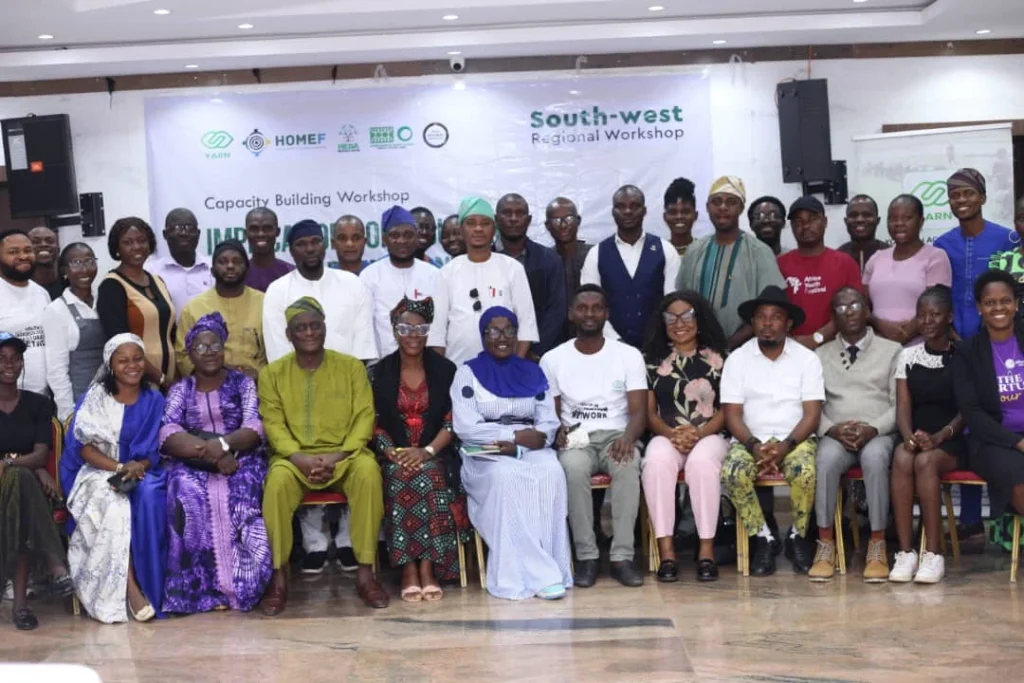
The demand was made on Wednesday during a capacity-building workshop organised by the Youth in Agroecology and Restoration Network for civil society organisations in the South-West. The event focused on sustainable alternatives to industrial animal farming and was held in Abeokuta, Ogun State.
Speaking at the workshop, YARN’s Director of Consultancy, Oluwaseyi Olayemi, stressed that the organisations were not opposed to foreign investment but wanted appropriate safeguards put in place. According to him, public access to the JBS $2.5bn MoU would enable civil society groups to review its provisions and make recommendations before implementation progresses.
Olayemi warned that Nigeria should learn from its experience with the oil industry, where he said inadequate management and other factors turned what was initially regarded as an economic blessing into a major source of environmental and social challenges.
He said the government should allow stakeholders to identify and correct potential problems before JBS begins full-scale operations. The YARN official also called for strict enforcement of existing environmental and agricultural regulations, while urging authorities to review outdated rules where necessary.
He disclosed that attempts by CSOs to obtain the agreement had resulted in conflicting responses from government authorities. According to him, the Federal Ministry of Livestock reportedly directed the groups to the states, while officials in Ogun, Niger and Cross River allegedly referred them back to the Federal Government. Olayemi said the lack of access to the document made it difficult for civil society organisations to properly assess or criticise the proposed investment.
Also speaking, Basiru Okanlawon of Advocacy on Conservation Innovation and Green Initiative Concept said stakeholders needed accurate information to properly educate communities about the investment. He maintained that Nigeria needed foreign investment but should carefully assess projects that could create additional environmental and public health pressures.
Participants subsequently raised concerns over possible land conflicts, displacement, waste generation, groundwater contamination, air pollution, biodiversity loss, greenhouse gas emissions and antimicrobial resistance associated with large-scale industrial livestock production. They also warned about possible impacts on smallholder farmers, host communities and Nigeria’s food-system self-reliance.
In their communiqué, the participants called for greater promotion of agroecology, regenerative agriculture, farmer-led food systems and diversified protein sources. They further urged the Federal and relevant state governments to publish the JBS $2.5bn MoU and conduct independent, comprehensive Environmental and Social Impact Assessments before approving the proposed industrial animal-farming projects.