




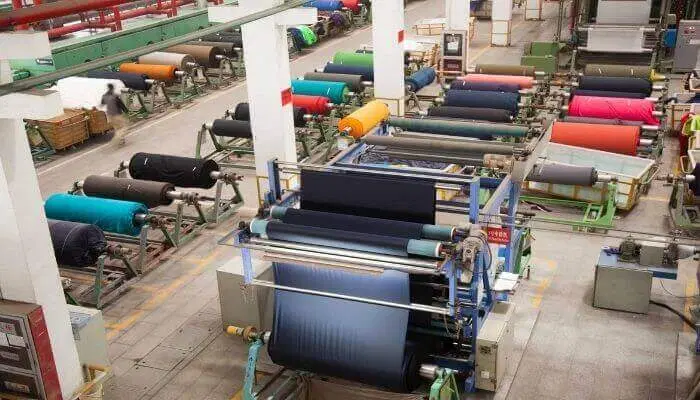
The value of textile products imported into Nigeria increased significantly in the first quarter of 2026, as Textile Imports Rise by 17 per cent year-on-year to N267.7 billion. The latest figures highlight the country’s continued dependence on imported textile materials despite ongoing efforts to revive domestic manufacturing.
Nigeria’s textile industry was once a major contributor to industrial growth and employment. However, the sector has faced decades of decline due to challenges including high production costs, inadequate infrastructure, and competition from imported products. Recent discussions on revitalising the industry gained momentum after the Senate urged the Federal Government to consider restricting textile imports as part of broader efforts to stimulate local production and strengthen the manufacturing sector.
Data released by the National Bureau of Statistics (NBS) showed that Textile Imports Rise from N228.83 billion recorded in the first quarter of 2025 to N267.7 billion in the corresponding period of 2026.
The statistics also revealed growth on a quarter-on-quarter basis. Textile imports increased by 8.94 per cent compared to the N245.73 billion recorded in the fourth quarter of 2025. The figures underscore the scale of Nigeria’s reliance on imported textile products at a time when policymakers are exploring measures to encourage domestic manufacturing and reduce import dependence.
Despite growing calls for restrictions on imported textiles, the Manufacturers Association of Nigeria (MAN) has advised the Federal Government to approach the issue carefully. Speaking during a television interview, Director-General of MAN, Segun Ajayi-Kadir, warned that imposing a blanket ban without adequate preparation could undermine efforts to strengthen local production.
According to him, Nigeria possesses the capacity to satisfy a significant portion of domestic textile demand, but meaningful revival of the sector requires comprehensive policy implementation. As textile imports rise, Ajayi-Kadir stressed the need for government institutions to demonstrate stronger commitment to locally produced goods.
“For instance, are we going to enforce the patronage of made-in-Nigeria textiles within the government? When the National Assembly passed this resolution, how many of them were wearing made-in-Nigeria garments?” he asked.
The MAN Director-General argued that import restrictions alone would not guarantee the growth of the textile sector. He urged authorities to fully implement Executive Order 003, which promotes patronage of locally produced goods and services, alongside a broader “Nigeria First” policy framework.
According to Ajayi-Kadir, government institutions, including the Presidency, National Assembly, military, security agencies, and educational institutions, should prioritise the use of locally manufactured textiles. He maintained that consistent demand from public institutions would provide the support needed to expand domestic production and strengthen the industry’s competitiveness.
The continued rise reflects both the demand for textile products and the challenges facing local manufacturers. Industry stakeholders argue that improving local production capacity could reduce import bills, create jobs, and strengthen Nigeria’s industrial base.
However, experts also note that achieving these goals will require coordinated policies addressing infrastructure, energy costs, financing, and market access.
The latest NBS data show that textile imports rise to N267.7 billion in the first quarter of 2026, despite renewed calls to revive local manufacturing. While policymakers continue to explore measures to support the industry, manufacturers insist that sustainable growth will depend on stronger implementation of local content policies and increased patronage of made-in-Nigeria products.