

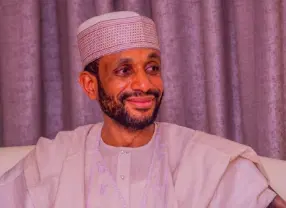
Kano deputy governor nomination has been formally forwarded to the State House of Assembly. Governor Abba Kabir Yusuf nominated Murtala Sule Garo for screening and approval. The Kano deputy governor nomination follows a vacancy created after a resignation in March 2026. The governor said the request complies with constitutional provisions guiding such appointments.
The deputy governorship position became vacant in March 2026. This followed the resignation of Abdussalam Gwarzo from office. The 1999 Constitution allows a governor to nominate a replacement. This applies where a deputy governor’s office becomes vacant. Kano State has recently experienced political realignments. These developments have led to stakeholder consultations across party lines. Such consultations often precede executive nominations in the state.
Governor Abba Kabir Yusuf transmitted Garo’s name to the Assembly. The Assembly is expected to screen and confirm the nomination. The nomination followed consultations with key stakeholders. The government stated the consultations were “wide and inclusive.”
A statement by the Chief Press Secretary confirmed the process. It said the nomination aligns with Section 191(3) of the Constitution. Murtala Sule Garo is a political administrator with long service history. He previously held roles in local government administration and state cabinet positions.
He also served as commissioner for local government affairs in Kano. He had earlier political roles in party and local government leadership. The statement noted he served as ALGON chairman in Kano State. It also referenced his participation in past electoral contests. Officials said the nomination aims to strengthen governance continuity. It also seeks to sustain service delivery in the state.
The Kano deputy governor nomination now shifts focus to the Assembly. Lawmakers will determine confirmation through constitutional screening procedures. The process may influence political alignment within the state. It also reflects ongoing restructuring within Kano’s political leadership. Stakeholder consultations suggest efforts to reduce internal political tension. The outcome may shape executive-legislative relations in the state.