




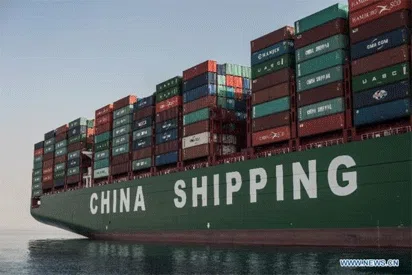
Shipping companies operating in Nigeria have warned that ongoing tariff-related disputes could force them to shut down local operations, raising concerns over potential job losses in the maritime sector.
The warning follows tensions linked to tariff increases and disputes between shipping firms and stakeholders within Nigeria’s port system.
The situation has affected operations and heightened concerns among industry players about sustainability of local business activities.
Shipping firms explained that their Nigerian operations rely largely on locally generated income to meet operational costs, including staff salaries and office expenses.
Industry stakeholders stated that international freight earnings are retained by foreign shipping lines, while their Nigerian offices depend on domestic revenue streams to sustain operations.
They warned that the current tariff crisis could significantly reduce local earnings, making it difficult to maintain offices and workforce within the country.
A stakeholder said: “this can lead to closure of local offices and loss of jobs.”
The source further noted that shipping firms could revert to an earlier model where they operate through third-party agents instead of maintaining direct offices in Nigeria.
According to the statement, such a shift would not disrupt international operations but would reduce local employment opportunities in the sector.
The stakeholders also highlighted that workers in the sector currently receive wages funded from locally generated income, stressing that any disruption to this revenue stream could affect staff remuneration.
Industry operators warned that continued tariff disputes could result in closure of local offices and job losses within Nigeria’s maritime sector.