




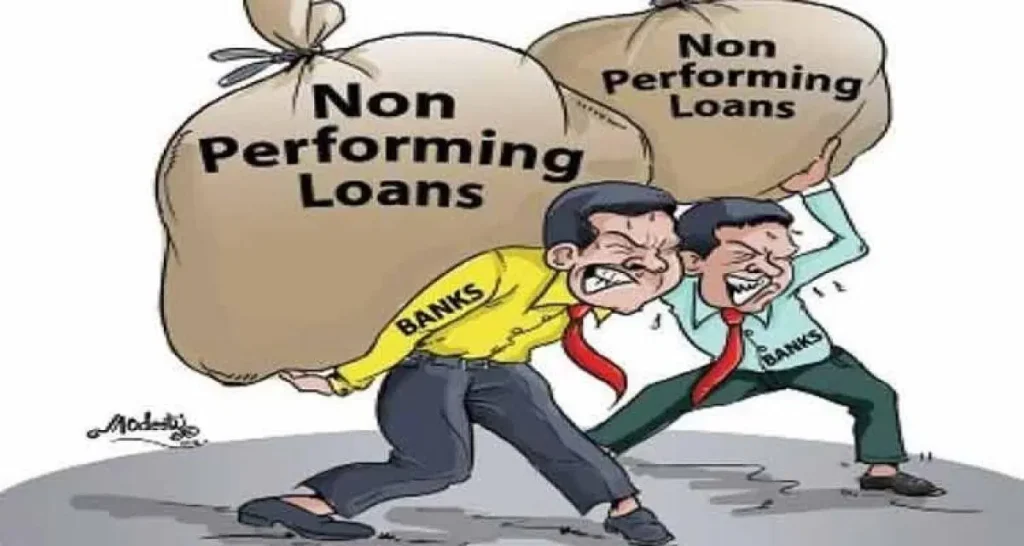
Nigerian banks are recording a significant increase in non-performing loans (NPLs) as defaults by businesses intensify, driving the total bad loans portfolio of the top eleven banks to ₦21.2 trillion by the end of the third quarter of 2025, financial data show.
The surge reflects mounting financial stress among corporate borrowers amid tightening economic conditions.
Data tracked by Financial Vanguard from unaudited financial statements of the leading banks indicate that nine of the top 11 banks recorded increases in their NPLs during the period under review, compared with figures at the end of December 2024.
NPLs across these banks grew by about 5 per cent, rising from ₦20.2tn to ₦21.2tn in the nine months ending Q3 2025.
A deeper breakdown shows that the larger Tier-1 banks collectively held the bulk of the bad loans, with their problematic loan books increasing to ₦17.63 trillion from ₦16.94 trillion in the comparative period.
Meanwhile, Tier-2 banks saw their NPLs rise by approximately 10 per cent to ₦3.54 trillion from ₦3.21 trillion.
The Central Bank of Nigeria (CBN) has flagged the rising NPL trend in its Financial Stability Report for June 30, 2025, noting that the NPL ratio increased to 5.76 per cent, surpassing the regulatory benchmark of 5.00 per cent and well above the 4.87 per cent recorded at the end of December 2024.
The report also highlighted that the ratio of NPLs net of provisions to capital had widened.
Analysts and financial sector observers attribute the upswing in bad loans to multiple factors, notably the withdrawal of regulatory forbearance on loans previously extended to households and businesses during the COVID-19 pandemic.
The CBN had earlier allowed temporary relief measures, including loan moratoriums and restructuring options, to support borrowers. The exit from these relaxed rules compelled banks to reclassify previously supported loans as impaired, boosting NPL figures.
Another key driver is the increase in loan defaults by corporate borrowers, which the CBN has documented across successive quarters of 2025. Reports from the apex bank’s Credit Condition Report show that default rates for both secured and unsecured corporate lending have remained elevated in Q2 and Q3 2025, signaling broad stress across business sectors.
Financial analysts cite high interest rates, weak demand conditions, and the decline in consumer purchasing power as pressures on firms’ repayment capacity.
Elevated cost of borrowing and reduced profitability among businesses have compounded debt servicing difficulties, leading to higher default rates.
The growing bad loans burden has implications for bank profitability, capital buffers, and financial stability, prompting regulators to call for strengthened risk management practices and recapitalisation efforts.
Banks are also expected to enhance credit appraisal processes and pursue loan recovery strategies to mitigate ongoing risks.
As defaults continue to rise, policymakers and financial institutions face mounting pressure to address the underlying economic challenges that constrain business performance, improve access to affordable credit, and strengthen support mechanisms to prevent further deterioration in loan quality.