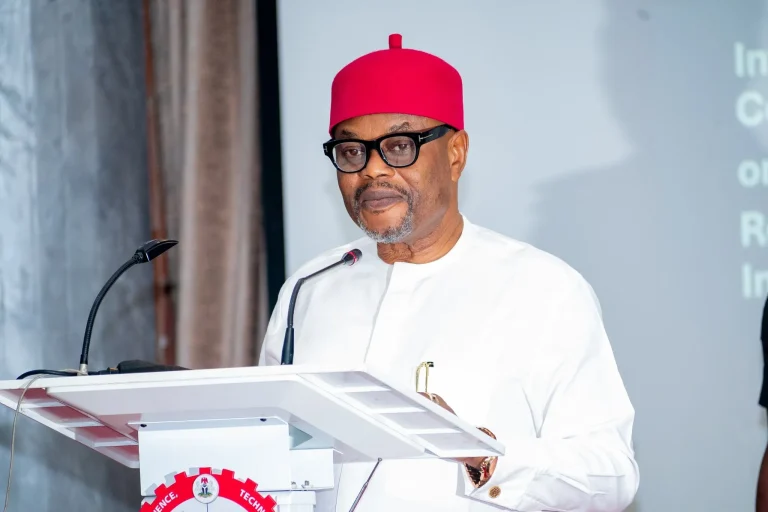
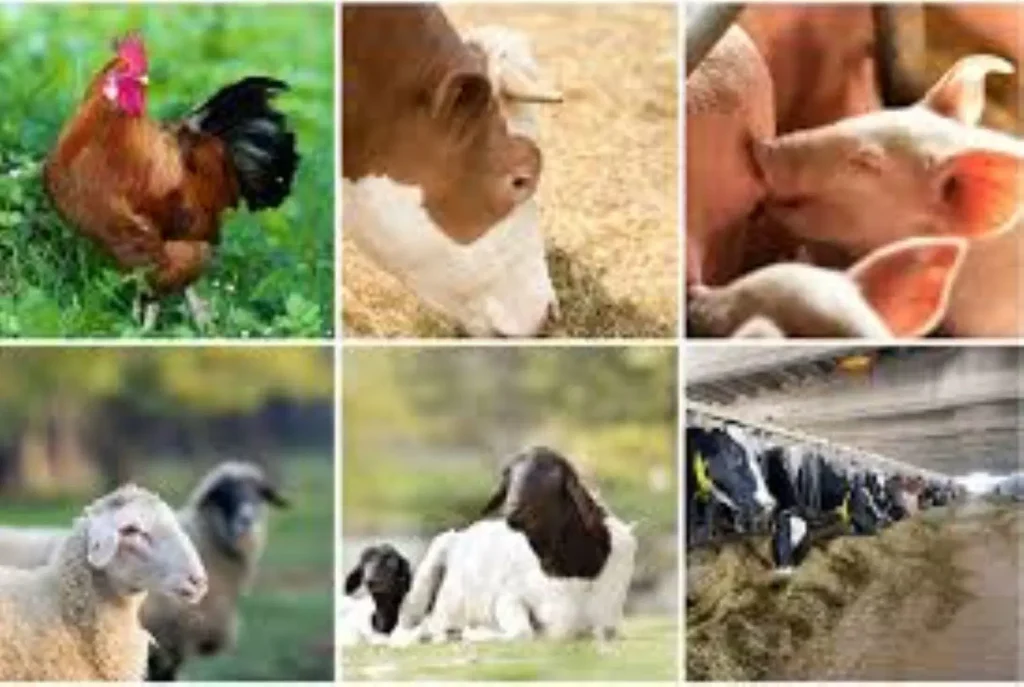
Nigeria Livestock economy has been projected to grow into a $74 billion sector under a new national development framework. The Minister of Livestock Development, Idi Mukhtar Maiha, presented the outlook in Lagos. Nigeria Livestock economy growth strategy focuses on productivity, investment, and infrastructure upgrades. The plan aims to reposition livestock as a major contributor to national output.
Nigeria’s livestock sector remains one of the largest in Africa. It includes cattle, goats, sheep, and poultry production systems. The sector contributes significantly to agricultural GDP. Despite its scale, productivity levels remain low. Structural inefficiencies continue to limit output growth. Challenges include feed shortages and weak veterinary infrastructure.
The Federal Government created the Ministry of Livestock Development in 2024. This was aimed at addressing long-standing sectoral challenges. The initiative aligns with broader agricultural transformation goals.
Maiha said the Nigeria Livestock economy currently stands at about $32 billion.
He projected expansion to $74 billion by 2035. He outlined a 10-point livestock transformation strategy. The framework covers feed systems, animal health, genetics, and financing.
The plan also includes infrastructure development across value chains. It focuses on improving market access and data systems. Maiha emphasised private sector participation in achieving growth targets. He said government alone cannot drive the transformation.
Nigeria holds one of the largest livestock populations in Africa. However, productivity remains below potential levels. Constraints include limited financing and weak processing capacity. Logistics and distribution gaps also affect the sector.
Nigeria Livestock economy expansion could strengthen food security. It may also reduce dependence on imported animal products. The sector has potential for rural job creation and income growth. It could support broader agricultural diversification efforts.
Increased productivity may help stabilise food prices. It may also enhance Nigeria’s export potential in livestock products. Stakeholders continue to call for sustained investment and policy consistency. Infrastructure development remains central to long-term success.