

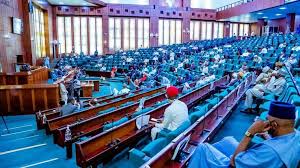

Nigeria’s National Assembly is facing renewed scrutiny following a series of controversies involving disputed signatures, contested legislative records and allegations of post-passage alterations to key laws.
The developments have sparked wider concerns about transparency, accountability and the integrity of official National Assembly documents, with critics warning that unresolved questions surrounding legislative records could weaken public confidence in democratic institutions. For a body responsible for making laws that govern more than 200 million Nigerians, observers argue that maintaining the credibility of its records is not merely an administrative obligation but a constitutional necessity.
The latest controversy emerged from the Senate following allegations surrounding the committee report that led to the six-month suspension of Senator Natasha Akpoti-Uduaghan.
Senator Adams Oshiomhole reportedly alleged that some lawmakers whose names appeared on the report did not actually sign it. Among those mentioned was Senator Ireti Kingibe, whom Oshiomhole claimed informed him that she neither signed nor endorsed the report despite her name appearing on the document.
According to the former Edo State governor, appending a signature to a committee report signifies agreement with its recommendations, while lawmakers who disagree with a report are entitled to withhold their signatures. The allegation immediately generated public debate over the authenticity and handling of official National Assembly documents.
Responding to the allegations, Senate spokesperson Senator Yemi Adaramodu dismissed claims that any signature was forged during the proceedings that culminated in Akpoti-Uduaghan’s suspension. He maintained that no senator had formally reported a forgery complaint to the Senate and insisted that the chamber’s procedures remained transparent.
However, critics argue that the issue extends beyond the technical question of forgery. They contend that the larger concern is whether the disciplinary process adhered to the highest standards of transparency, procedural fairness and institutional accountability expected of the Senate.
Questions have also been raised about whether attendance records, committee participation and endorsements were properly distinguished in official documentation. Observers note that when a report becomes the basis for disciplinary action against an elected representative, every aspect of the document must be beyond doubt.
Before the Senate controversy emerged, the House of Representatives had faced its own dispute involving alleged misuse of signatures. Deputy House spokesperson Philip Agbese claimed that his signature had been forged on a document purportedly endorsing Hon. Ikenga Ugochinyere for the position of Minority Leader. The G-60 Minority Caucus rejected the allegation and insisted that no forgery occurred.
The controversy became more complicated after Agbese acknowledged appearing in viral CCTV footage connected to the signing process. He maintained, however, that the document he signed was related to lawmakers’ welfare and constituency projects rather than any endorsement of minority leadership positions.
The conflicting accounts generated fresh debate over the management and verification of National Assembly documents. Critics argue that the matter required a more comprehensive explanation to determine whether the document’s purpose was altered after signatures had been obtained.
Perhaps the most significant controversy involves allegations that aspects of Nigeria’s tax reform laws were altered after legislative approval.
Reports indicated that differences were discovered between versions of the tax reform legislation passed by lawmakers, the copies assented to by the President and versions later published in the Official Gazette. The issue gained prominence after a member of the House of Representatives, Abdulsamad Dasuki, reportedly questioned whether the gazetted versions accurately reflected what lawmakers debated, harmonised and approved.
The House Minority Caucus also expressed concern, arguing that any discrepancy between approved legislation and published law could undermine legislative authority and constitutional processes. Legal analysts note that concerns surrounding tax legislation carry broader implications because such laws directly affect citizens, businesses and government revenue administration.
The recurring disputes have fueled calls for more openness in the handling of legislative records. Stakeholders argue that signatures should represent genuine consent, committee reports should accurately reflect proceedings and gazetted laws should correspond precisely with legislation approved by lawmakers.
They warn that any manipulation, misrepresentation or careless handling of official records risks eroding public trust in democratic institutions. Political observers say the controversies point to a broader challenge of institutional accountability, stressing that credibility cannot be maintained if questions surrounding official documentation remain unresolved.
Amid the growing concerns, calls have intensified for comprehensive investigations into allegations involving disputed signatures, altered records and legislative documentation. Advocates of greater transparency argue that all unresolved questions surrounding National Assembly documents should be addressed through open, documented and time-bound reviews.
They maintain that where allegations are proven false, those responsible for spreading them should be held accountable. Conversely, if wrongdoing is established, appropriate sanctions should follow. Many observers believe the National Assembly must provide clear explanations regarding the Natasha Akpoti-Uduaghan suspension report, the disputed House endorsement document and the alleged discrepancies involving tax reform legislation.
The controversies surrounding disputed signatures, committee reports and legislative records have placed renewed attention on the importance of institutional integrity within Nigeria’s lawmaking body. As demands for clarity continue to grow, many stakeholders believe restoring confidence will require greater transparency, stricter documentation procedures and a firm commitment to protecting the credibility of National Assembly documents.
For an institution tasked with making and safeguarding the nation’s laws, ensuring the authenticity of its own records remains fundamental to preserving public trust and strengthening Nigeria’s democratic system.