


The Senate has intensified oversight of the South East Development Commission (SEDC), as Senate Queries SEDC over expenditures made from funds released under its 2025 budget allocation. Lawmakers raised concerns about several spending items, including an alleged N153 million paid for a one-room liaison office in Abuja.
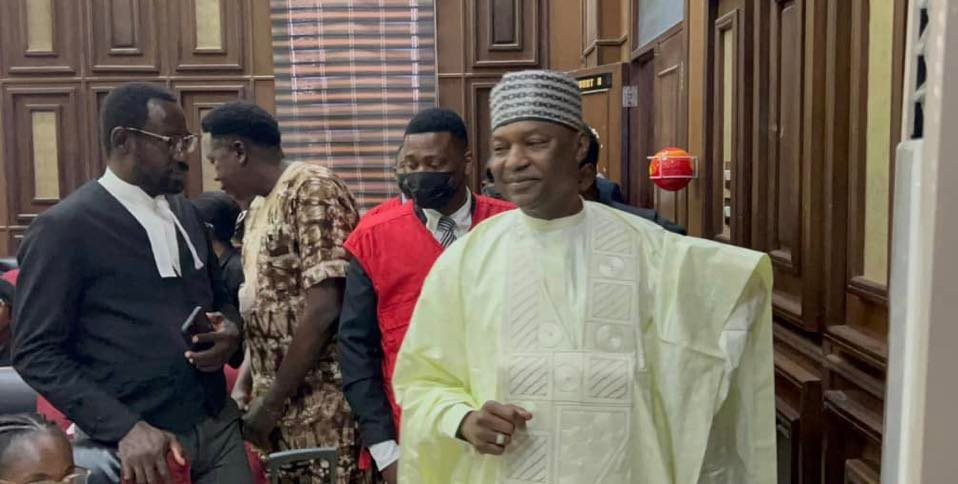
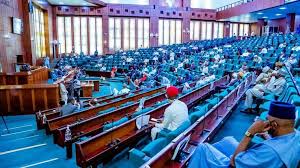
The concerns emerged during an investigative hearing conducted by the Senate Committee on South East Development Commission. The committee, chaired by Senator Orji Uzor Kalu, reviewed financial records submitted by the commission as part of its statutory oversight responsibilities. The hearing focused on the utilisation of funds released to the commission and the adequacy of documentation supporting expenditures recorded in its financial reports.
During the session, committee members examined the commission’s expenditure profile and questioned several entries contained in the submitted records.
Among the issues highlighted was an alleged N153 million expenditure on renting a one-room liaison office in Abuja, despite the commission maintaining its corporate headquarters in Enugu. Lawmakers also expressed concern over what they described as an implied expenditure of N2.5 billion reflected in the commission’s financial report.
As Senate Queries SEDC, Senator Kalu stated that records available to the committee showed the commission received N16.6 billion in December of the previous year. According to him, only about N13 billion remained in the commission’s account. “This committee is disappointed with the financial report presented. It is completely unacceptable,” Kalu said.
He noted that the figures suggested approximately N3.6 billion had already been spent and that the expenditure must be fully accounted for. Other committee members, including Senators Enyinnaya Abaribe, Victor Umeh, and Austin Akobundu, also raised concerns regarding the financial report presented by the commission.
Responding to the concerns, the Managing Director and Chief Executive Officer of SEDC, Mark Okoye, defended the commission’s spending decisions. According to him, expenditures were made prudently and based on actual fund releases rather than approved budget figures.
“Our approach has been to ensure that available resources are directed towards priority projects. We want allocations to guide the procurement process so that contracts awarded can be backed by available funding,” Okoye said. He further explained that relying solely on budgetary provisions without corresponding cash releases could expose the commission to unfunded liabilities.
“For example, having a budget of N140 billion does not automatically mean that N140 billion in cash is available. It would be irresponsible to award contracts worth the entire budget if only N10 billion or N20 billion has actually been released,” he added.
Despite the explanations provided, the committee maintained that additional documentation was required. As Senate Queries SEDC, lawmakers directed the commission to submit comprehensive expenditure records, including contract documents, payment records, and supporting financial evidence on or before June 23.
“By the 23rd, we want to have the complete documentation. Once we receive and review the documents, we will determine the date for your next appearance before the committee,” Kalu said.
The development highlights increasing legislative scrutiny of government agencies responsible for regional development programmes. The review process is expected to assess compliance with financial regulations and ensure accountability in the management of public funds. The outcome of the committee’s investigation could also influence future oversight measures involving federal commissions and intervention agencies.