

The Rivers political crisis recorded another development after APC National Chairman Yilwatda stated that Governor Siminalayi Fubara withdrew voluntarily from the ongoing political conflict in the state. Yilwatda also clarified that Federal Capital Territory Minister Nyesom Wike is not a member of the All Progressives Congress. He made the remarks while responding to political discussions surrounding Rivers State ahead of the 2027 elections. The crisis has continued to attract national attention because of its implications for governance and party politics.
Rivers State has remained at the centre of prolonged political tensions involving Governor Siminalayi Fubara and political allies linked to former governor Nyesom Wike. The disagreements have affected the state’s political structure and legislative activities in recent months. The crisis has also generated reactions from national political leaders and party officials. Several stakeholders have called for reconciliation to prevent disruptions to governance within the state.
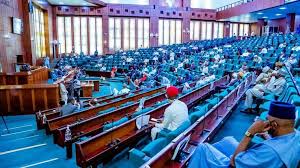
The Rivers political crisis intensified after divisions emerged within the Rivers State House of Assembly. Political alignments among lawmakers and party stakeholders further deepened tensions across the state. Attention has remained focused on the relationship between Governor Fubara and Wike, who currently serves as Minister of the Federal Capital Territory.
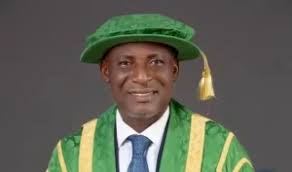
APC National Chairman Yilwatda stated that Governor Fubara was not forced out of the political process. According to him, the governor voluntarily withdrew from certain political engagements linked to the crisis. He also dismissed claims linking Wike directly to APC membership. Yilwatda maintained that the former Rivers governor is not officially a member of the ruling party.
The APC chairman’s comments came amid continued debate over political alignments ahead of the 2027 elections. Political observers have closely monitored interactions between APC leaders and Wike. Yilwatda further emphasized that political discussions surrounding Rivers State should be approached with caution and factual clarity. He stressed the need for accurate representation of party positions.
The Rivers political crisis has triggered several meetings among stakeholders within and outside the state. Political leaders have continued consultations aimed at reducing tensions and restoring stability. Government activities in Rivers State have continued despite the political disagreements. However, analysts note that prolonged tensions may affect governance and policy implementation if unresolved.
The Rivers political crisis remains one of the most significant political developments in southern Nigeria. The situation could influence party alignments and electoral calculations ahead of the 2027 general elections. Political stability in Rivers State is also important because of the state’s economic and strategic importance. Rivers remains a major contributor to Nigeria’s oil and gas sector.
The continued disagreements may further shape legislative cooperation and executive activities within the state. Stakeholders have repeatedly urged dialogue and reconciliation among political actors. At the national level, the controversy surrounding party affiliations and alliances may affect broader political negotiations ahead of future elections.