




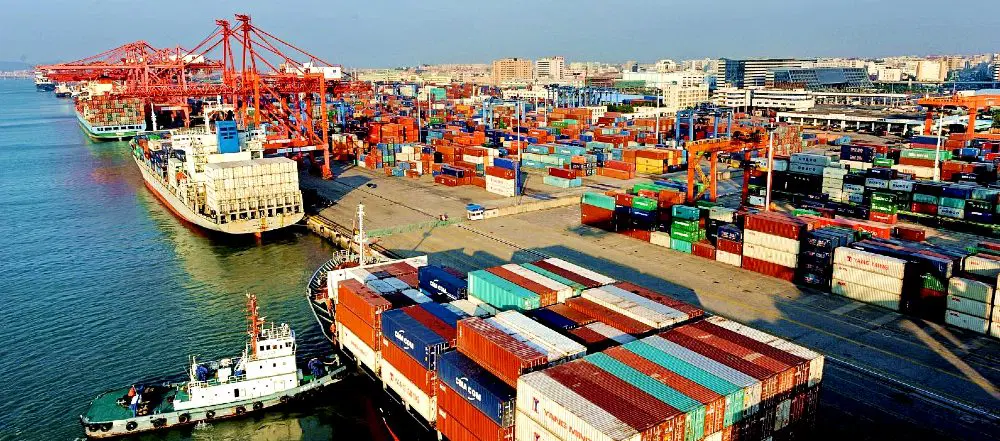
The Federal Government has commenced renewed efforts on port corridor clearance along the Apapa and Tin Can Island axis in Lagos as part of ongoing measures to ease persistent traffic congestion affecting Nigeria’s busiest maritime gateways. The initiative targets improved movement of cargo, reduction of delays, and enhanced efficiency across port access roads. The port corridor clearance exercise is being implemented through coordinated inter-agency operations involving relevant transport and regulatory authorities.
The Apapa and Tin Can port corridors serve as Nigeria’s most critical logistics routes, handling a significant share of import and export activities. Congestion along these routes has long affected trade operations, with gridlock frequently disrupting movement of goods from ports to inland destinations. The latest port corridor clearance intervention aims to restore order and improve operational flow within the maritime environment.
Apapa and Tin Can Island ports are located in Lagos and remain the country’s busiest maritime gateways. The Apapa Port Complex and Tin Can Island Port handle large volumes of containerised, bulk, and general cargo for Nigeria’s import-dependent economy.
Over the years, persistent traffic congestion has been linked to truck parking issues, inadequate holding bays, infrastructure strain, and high cargo throughput. These challenges have contributed to extended turnaround times for cargo evacuation and increased logistics costs for businesses operating within the port value chain.
Previous government interventions have included traffic control measures, enforcement operations, and infrastructure rehabilitation projects aimed at improving access to the port corridors. The current port corridor clearance initiative is part of broader efforts to strengthen trade facilitation and port efficiency in Nigeria.
According to official information, the Federal Government’s initiative is being coordinated under the Presidential Enabling Business Environment Council, PEBEC, through its Ports and Customs Efficiency Committee. The exercise is designed to address congestion, unauthorised activities, and traffic bottlenecks along the Lagos port corridors.
The port corridor clearance operation focuses on enforcing traffic regulations, removing obstructions, and improving coordination among agencies operating within the corridor. Authorities have identified issues such as indiscriminate parking, unregulated truck movement, and environmental concerns as key challenges affecting the efficiency of port operations.
Officials stated that the intervention is intended to restore order and support seamless cargo movement through coordinated enforcement mechanisms. The effort also aligns with broader reforms aimed at improving Nigeria’s ease of doing business ranking and strengthening logistics infrastructure.
The ongoing port corridor clearance is expected to improve cargo evacuation efficiency at Apapa and Tin Can Island ports, which are central to Nigeria’s import and export activities. Reduced congestion may also lower logistics costs, improve delivery timelines, and enhance competitiveness for businesses relying on maritime transport.
Stakeholders in the shipping and logistics sector have consistently identified port access challenges as a major constraint on trade performance. Improvements in corridor management are therefore seen as critical to sustaining economic activity linked to port operations.
The initiative may also support ongoing investments in port modernisation, digital cargo processing systems, and infrastructure upgrades across Nigeria’s maritime sector.