

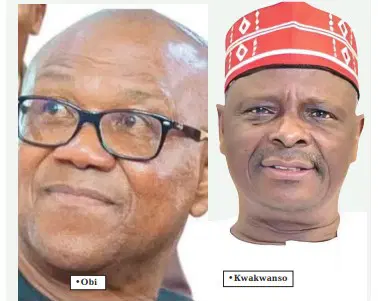
The Obi and Kwankwaso alliance has continued to influence emerging political calculations ahead of the 2027 general elections as opposition restructuring and rising activity within the National Democratic Congress, NDC, reshape national political alignments. The Obi and Kwankwaso alliance has become a reference point in discussions around coalition-building efforts and early positioning by political actors across major parties.
Political developments linked to former presidential candidate Peter Obi and former Kano State governor Rabiu Kwankwaso have drawn attention within opposition circles as consultations intensify over possible cooperation frameworks ahead of the next electoral cycle.
Nigeria’s opposition landscape has remained fluid since the last general election, with shifting alliances and emerging political blocs redefining party structures. The Obi and Kwankwaso alliance is part of broader discussions around coalition formation among opposition figures seeking to improve electoral competitiveness.
The NDC and other emerging political platforms have continued to attract interest from politicians and political stakeholders exploring alternative structures. These developments reflect ongoing realignments within Nigeria’s multi-party system ahead of 2027.
Reports indicate that the Obi and Kwankwaso alliance has gained visibility through increased political coordination discussions involving key opposition actors. The development has also coincided with renewed mobilisation efforts within opposition blocs seeking broader national reach.
Political stakeholders have linked the growing momentum to ongoing negotiations around coalition building and electoral strategy realignment.
Within this evolving environment, the NDC has experienced heightened attention as politicians and support groups explore possible alignment options ahead of the 2027 elections. Analysts note that these movements reflect broader attempts to consolidate opposition strength.
Obi alliance with Kwankwaso has also been referenced in discussions around voter base consolidation, particularly due to the national spread of support previously recorded by both political figures during earlier elections.
This alliance is increasingly shaping conversations around opposition unity, candidate emergence, and electoral competitiveness. Political analysts suggest that such alignments may influence future negotiations among opposition parties.
The emergence of the NDC within political discourse adds another layer to ongoing realignments, particularly as parties prepare for primaries and internal consultations. These shifts may affect how parties structure their campaigns and select candidates ahead of 2027. Observers note that the evolving landscape underscores the importance of coalition-building in determining electoral outcomes.