



The ADC defections wave in the National Assembly drew a sharp reaction from Senate President Godswill Akpabio, who declared that the African Democratic Congress was “dead” following multiple exits by lawmakers. Akpabio made the remark during plenary on Tuesday after several defections were formally announced on the Senate floor. The statement came amid ongoing political realignments involving movements to parties such as the Labour Party and the Nigerian Democratic Congress.
Recent months have seen increased political movement across opposition parties in Nigeria ahead of the 2027 general elections. The African Democratic Congress has been at the centre of these shifts, with internal disputes and legal challenges affecting its structure.
Party instability has been linked to leadership disagreements and litigation, which some members cited as reasons for exiting the platform. These developments have contributed to the rising trend of ADC defections within both chambers of the National Assembly.
The defections are part of a broader opposition realignment, with politicians repositioning across parties in preparation for upcoming electoral contests.
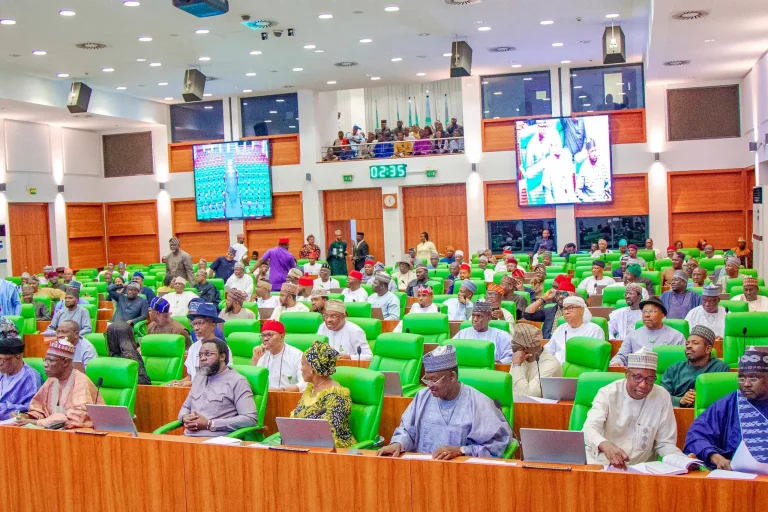
During Senate proceedings, Akpabio reacted to the frequency of ADC defections, describing the situation as unusual. He stated: “Because I think ADC is dead.” The remark followed the announcement of defections by lawmakers, including Senator Victor Umeh, who moved to another party citing internal issues within the ADC.
Akpabio also commented on the repeated nature of party switching, questioning how often lawmakers could change platforms within a short period. He suggested a more structured process for announcing defections in the chamber.
In the House of Representatives, no fewer than 16 members reportedly left the ADC for the Nigerian Democratic Congress. Lawmakers cited internal divisions and “unending litigation” as key reasons for their decisions. The Senate also recorded movements involving Senator Enyinnaya Abaribe, whose political transitions across parties were noted during plenary.
The surge in ADC defections highlights ongoing volatility within Nigeria’s opposition parties. Frequent political movement may affect party stability and legislative alignment within the National Assembly.
Such developments can influence coalition building, voting patterns, and legislative coordination, especially as parties prepare for the 2027 elections. The situation also reflects broader structural challenges in party organisation, particularly where internal disputes and legal battles persist.