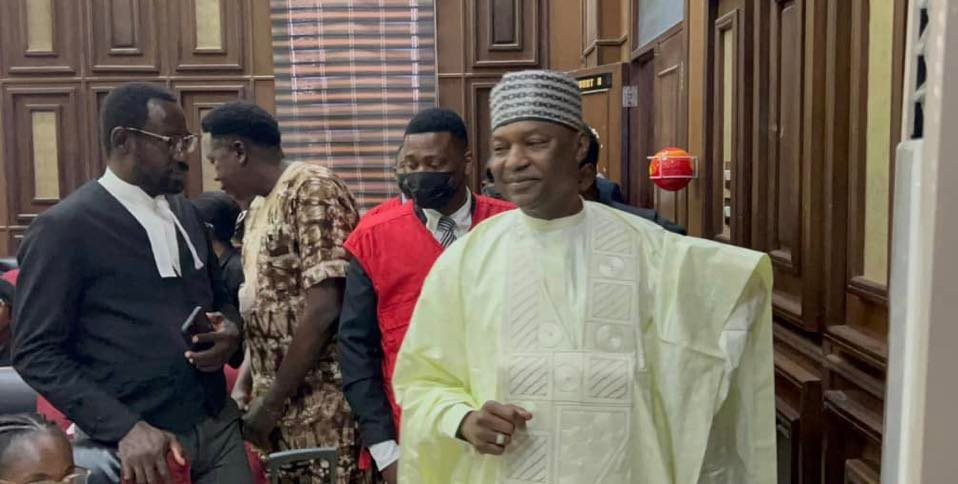



The ADC party structure has become the centre of a leadership dispute. Dumebi Kachikwu accused David Mark of seizing control of the party. He said existing executives were pushed out and replaced with loyalists. The ADC party structure dispute follows a recent Federal High Court ruling.
Kachikwu made the claims during an interview on Arise TV. He alleged that committees were set up outside party rules. These committees reportedly took over functions of state executives. The ADC party structure conflict has triggered reactions across states.
The ADC party structure dispute reflects ongoing internal leadership tensions. The African Democratic Congress has faced factional disagreements in recent months. Party leadership processes are guided by its constitution.
According to Kachikwu, state chairmen are responsible for congresses. He said this provision was bypassed by the Mark-led faction. The disagreement centres on control of party organs and decision-making. The issue has also drawn judicial attention in Abuja. A Federal High Court restrained certain party activities. The ruling affected recognition of congresses by electoral authorities.
Kachikwu alleged that ad hoc committees replaced elected officials. He said the committees installed preferred party members. He added that complaints came from multiple states. He stated: “They pushed us out, they took over our party structure.”
He also said some state chairmen later withdrew support. According to him, they felt sidelined after initial cooperation. Kachikwu further referenced a court judgment on the matter. He said the court nullified congresses and a national convention. He described the proceedings as invalid under party rules.
Reacting, David Mark assured party members of legal action. He said the party would remain on the ballot in 2027. He added that an appeal and stay of execution had been filed. Mark stated: “We shall be on the ballot for every election.”
The ADC party structure dispute may affect internal party cohesion. It also raises questions about compliance with party constitutions. Legal proceedings could influence recognition by the electoral body. Court rulings may determine leadership legitimacy within the party.
The dispute comes ahead of preparations for future elections. Political parties require stable structures for effective participation. Internal conflicts may also affect public confidence in party processes. They can influence alliances and candidate selection dynamics