

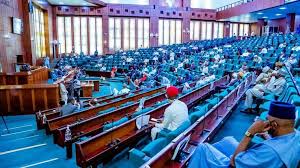
The national plan bill has passed second reading in the House of Representatives. The bill proposes a 50-year national development planning framework for Nigeria. Lawmakers considered the bill during plenary in Abuja. The national plan bill aims to guide long-term national policy direction.
The national plan bill seeks to institutionalise long-term development strategy. It is designed to ensure continuity in governance planning across administrations. The bill’s passage marks progress in legislative consideration. It now advances to further legislative scrutiny in the House.
Nigeria has previously operated short and medium-term development plans. These plans often span between four and ten years. Policy continuity challenges have been widely discussed in governance circles. The bill introduces a longer horizon for planning. It aligns with efforts to stabilise economic and infrastructure development strategies.
Similar long-term frameworks are used in several developing economies. The House of Representatives has been reviewing multiple reform bills. These include governance, fiscal, and development-related proposals. The national plan bill is part of broader institutional reform efforts.
The bill was presented and debated at plenary. It passed second reading after deliberations by lawmakers. And it’s sponsored to strengthen structured national planning. Lawmakers noted the need for continuity in development policy. They emphasised reducing disruption between successive administrations. The bill seeks to create a unified planning direction for national growth.
After second reading, the bill will move to committee stage. It will undergo detailed review and possible amendments. Public and stakeholder input is expected during further consideration. The House leadership has consistently supported reform legislation. The national plan bill follows similar legislative progress patterns. Other major bills have also advanced through second reading stages.
The national plan bill could reshape Nigeria’s policy framework. It introduces a long-term structured development outlook. If fully passed, it may improve policy consistency across governments. It could also reduce abrupt changes in national development priorities.
Economic planning may become more predictable under the framework. Infrastructure, education, and industrial policies may benefit from continuity. However, implementation will depend on institutional coordination. Effective execution will require alignment across government levels.