


ADC leadership crisis has escalated into a do-or-die battle as three rival blocs lay claim to control of the African Democratic Congress. The dispute has deepened internal divisions within the party structure. Each faction insists on legitimacy over national leadership. The conflict is unfolding ahead of the 2027 political cycle.
ADC leadership crisis stems from prolonged disagreements over party administration and control of national structures. The party has faced repeated internal disputes involving competing leadership claims.
At the centre of the crisis are factions aligned with David Mark, Nafiu Gombe, and Dumebi Kachikwu. Each bloc has continued to assert authority over party operations. The dispute has also attracted legal intervention, with courts issuing directives affecting party activities. These interventions have further complicated internal reconciliation efforts.
ADC leadership crisis intensified following competing conventions and leadership claims by rival blocs. Each faction has held meetings and issued statements asserting legitimacy. The Mark-led group insists its leadership followed constitutional procedures and NEC approvals. It maintains that its structure was properly constituted under party rules.
The Gombe-led faction disputes this, arguing that eligibility rules and constitutional provisions were violated. It maintains that proper succession procedures were not followed. The Kachikwu bloc has also rejected claims of legitimacy by other factions. It has described rival activities as unconstitutional and destabilising.
Court orders have added further complexity by restricting party activities pending resolution.
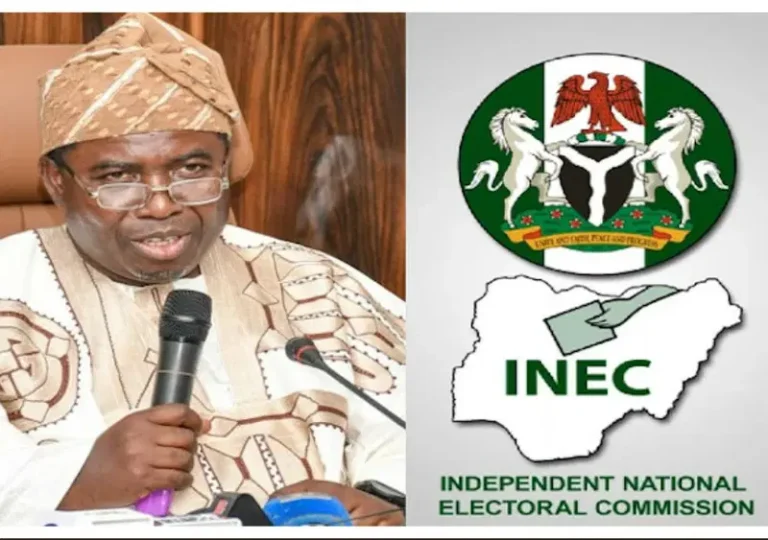
These legal constraints have deepened uncertainty within the party structure. The Independent National Electoral Commission has also been drawn into the dispute over recognition issues. This has left the party’s operational status unclear in some instances.
ADC leadership crisis highlights growing fragmentation within opposition party structures.
Internal divisions may affect party readiness ahead of future elections.
The existence of multiple leadership claims creates uncertainty for members and stakeholders.
It also complicates coalition-building efforts and political negotiations. Legal involvement suggests that resolution may depend on judicial outcomes. This could further delay internal reconciliation processes.