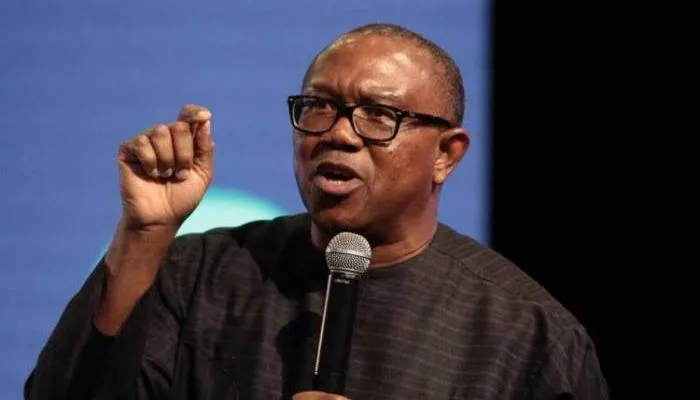
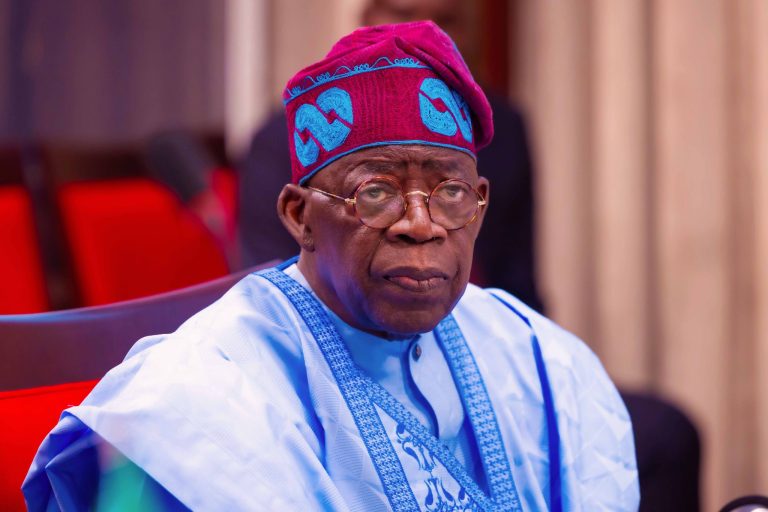


Power failure criticism has intensified as former presidential candidate, Peter Obi, urged Nigerians to reject President Bola Ahmed Tinubu over ongoing electricity challenges across the country.
He made the remarks while addressing recent developments in Nigeria’s power sector and broader governance concerns.
Obi expressed concern over the persistent instability in electricity supply, stating that the situation continues to affect households, businesses, and economic productivity.
He argued that reliable power remains critical to national development and should be treated as a priority by the government.
According to him, the current challenges in the power sector reflect deeper structural issues that require urgent attention.
He noted that despite previous commitments and reforms, many Nigerians still experience irregular supply and frequent outages.
The power failure criticism also focused on the broader economic impact of unreliable electricity.
Obi stated that businesses are forced to rely on alternative energy sources, increasing operational costs and limiting competitiveness.
He added that small and medium-scale enterprises are particularly affected by inconsistent power supply.
He urged citizens to evaluate leadership based on performance, especially in key sectors such as power, which directly influence economic growth and quality of life.
“Nigerians must begin to vote based on competence and capacity to deliver results,” he said.
The remarks come amid ongoing concerns about electricity generation and distribution across the country.
Nigeria’s power sector has faced challenges including grid instability, infrastructure deficits, and funding constraints.
These issues have continued to limit the availability and reliability of electricity nationwide.
The power failure criticism reflects a wider public discourse on governance and service delivery.
Analysts note that electricity supply remains a key indicator of economic performance, with implications for industrial output, job creation, and investment.
Government officials have previously outlined reforms aimed at improving the power sector, including efforts to increase generation capacity, expand transmission infrastructure, and enhance distribution efficiency. However, implementation challenges have persisted.
Obi emphasised the need for accountability and measurable outcomes in governance.
He stated that leadership decisions should be guided by data, transparency, and long-term planning to ensure sustainable improvements in critical sectors.
The power failure criticism also highlights the role of citizen engagement in democratic processes.
Observers note that public scrutiny of government performance may influence political alignments as the country moves toward future elections.
The continued challenges in electricity supply may affect economic growth and investor confidence. Reliable power is essential for industrial development, digital services, and overall productivity.
Increased public attention on the issue may also shape political discourse, with energy policy expected to remain a central topic in national debates.