




Nigerians may face further increases in petrol prices following a sustained rise in global crude oil prices, industry analysts and market stakeholders have said.
The development comes days after recent upward adjustments in pump prices across the country, heightening concerns about living costs and business expenses.
Data from international commodity markets show Bonny Light crude oil rising to about $70.30 per barrel, up from $64 per barrel last week, while Brent crude climbed to $70.15 per barrel and Murban crude increased to $68.01 per barrel, marking a sustained upward trend in global crude benchmarks.
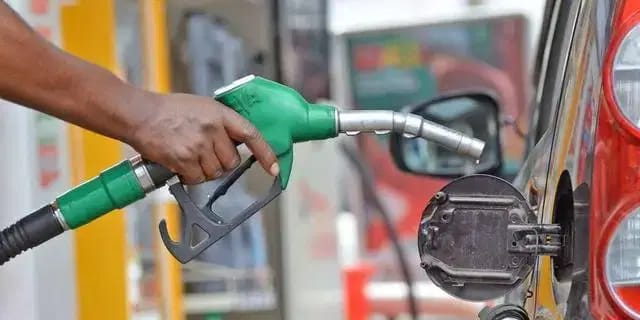
The recent crude price surge has already translated into higher petrol prices at the pump. Petrol stations across major cities, including Abuja and Lagos, recorded increases to an average of ₦850 per litre from around ₦750 per litre earlier in the week, with some marketers pricing fuel as high as ₦900 per litre. State-owned outlets such as NNPC Retail adjusted prices to about ₦835 per litre.
Industry stakeholders attribute the rise in petrol prices primarily to higher crude costs, which directly influence refinery input costs.
Chief Chinedu Ukadike, National Public Relations Officer of the Independent Petroleum Marketers Association of Nigeria (IPMAN), said the increase in crude oil prices has compelled refiners and marketers to pass higher costs to consumers.
“Crude oil price has increased. The refiners have also increased their price. Once your buying source increases, you will increase,” he said.
Economic and energy experts warn that petrol prices are likely to rise further if crude oil costs continue to trend upwards.
Mr. Henry Adigun, Managing Director of AHA Consultancies, noted that since crude oil is the primary raw material for petrol, sustained increases in its international price will inevitably feed through to higher retail fuel prices. “Yes, certainly, prices will increase. This simply means consumers will pay more for fuel,” he said.
Analysts also highlight the role of foreign exchange volatility in shaping pump prices. Since petrol and other petroleum products are largely traded in dollars on international markets, fluctuations in the naira-dollar exchange rate can amplify the pass-through of global price changes into domestic fuel costs.
Rising fuel prices can have broader economic implications. Higher petrol and diesel costs increase transportation expenses, which affect logistics, production costs and consumer prices across multiple sectors. This, in turn, can contribute to inflationary pressures and strain household budgets, especially for low- and middle-income earners.
While higher crude prices can boost government revenue through increased earnings from oil exports, the near-term impact on domestic fuel costs remains a concern. As Nigeria’s petrol market operates in a largely deregulated regime, global commodity price movements are likely to continue shaping retail fuel pricing.
Industry observers say that policymakers and market participants should monitor international crude price developments closely, as continued volatility could further influence petrol costs and broader economic stability in Nigeria.