



Imports of livestock and related products into Nigeria rose to N1.71 trillion in 2025, representing a 14.5 percent increase from N1.49 trillion recorded in 2024, according to findings based on data from the National Bureau of Statistics.
The increase comes as Nigeria continues efforts to diversify its economy while the livestock sector remains a significant contributor to national output.
Data from the National Bureau of Statistics indicates that the livestock sector contributed N11.9 trillion, representing 5.6 percent of Nigeria’s Gross Domestic Product in 2024.
Despite this contribution, the sector still faces structural challenges that affect domestic production capacity and increase reliance on imported livestock products.
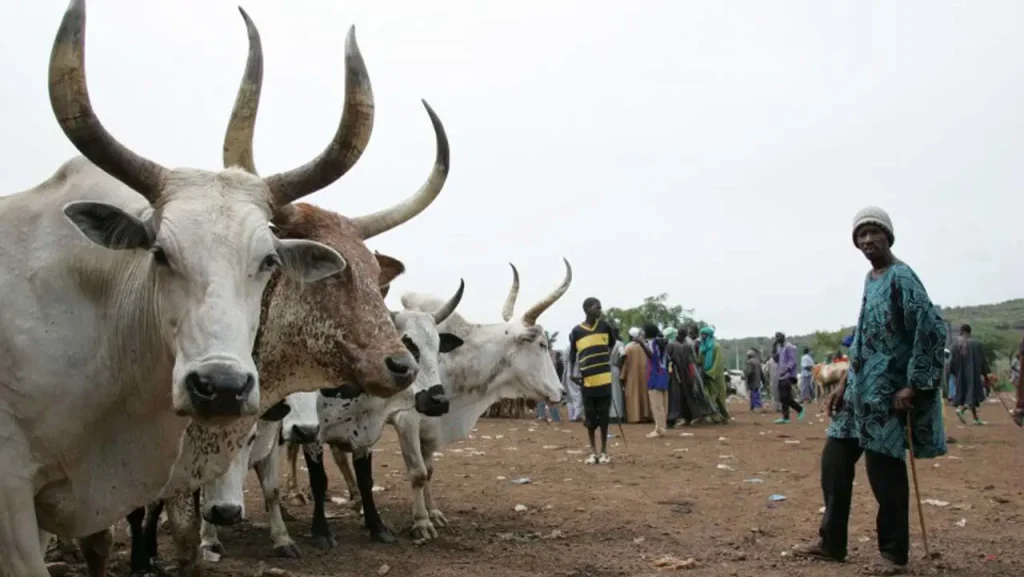
Nigeria currently has an estimated 273 million livestock animals, according to sector estimates.
The breakdown shows:
- Goats: 138.95 million
- Sheep: 64.93 million
- Cattle: 54.81 million
In addition, the country has about 250 million poultry birds.
The dairy subsector remains a major factor driving imports. The Federal Ministry of Livestock Development confirmed that Nigeria spends over $1.5 billion annually on dairy imports.
Data from the Food and Agriculture Organisation shows that about 60 percent of dairy products consumed in Nigeria are imported.
Domestic milk production is estimated at about 0.5 million tonnes annually, while national demand is estimated at 1.3 million tonnes, creating a supply gap.
The organisation also reports that the average milk yield per cow in Nigeria is about 213 litres per year, which is significantly lower than the global average.
Stakeholders said the continued reliance on imported livestock products reflects structural challenges that affect domestic livestock production.
They noted that the sector remains largely informal and characterised by low productivity levels.