

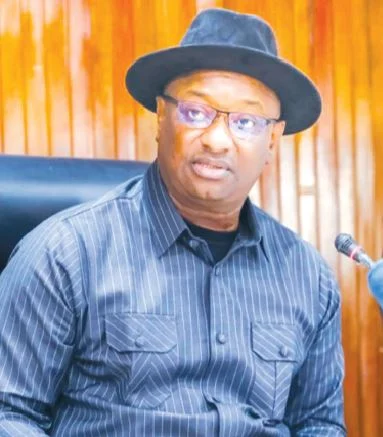



The Federal Government of Nigeria has unveiled plans to abolish the longstanding Higher National Diploma (HND) dichotomy by empowering polytechnic institutions to award full degrees, a policy shift intended to uplift technical and vocational education as a key driver of national development.
The announcement was made by the Minister of Education, Dr. Tunji Alausa, at a high-level retreat in Abuja on Wednesday, January 21, 2026.
Dr. Alausa described the reform as a landmark policy shift that seeks to eliminate decades of perceived discrimination against polytechnic graduates and reposition polytechnics as centres of academic and technical excellence within Nigeria’s higher education framework.
He said the move aligns with the Renewed Hope Agenda of President Bola Ahmed Tinubu, which prioritises job creation, industrial growth and human capital development.
For years, polytechnic graduates holding HND qualifications have faced disparities in recognition and career progression compared with holders of university bachelor’s degrees, despite similar entry requirements and practical training.
Stakeholders and student groups have long advocated for the removal of this dichotomy to enhance equity and strengthen Nigeria’s technical workforce.
Under the proposed reform, polytechnics will continue to emphasise hands-on, industry-focused training while gaining the authority to confer degrees.
Dr. Alausa emphasised that clear standards, robust regulation and quality assurance mechanisms will guide the transition to ensure that degree programmes meet national and global benchmarks.
The education minister highlighted that Technical and Vocational Education and Training (TVET) is central to building a skilled and industry-ready workforce capable of addressing real-world challenges.
He urged polytechnic administrators to strengthen entrepreneurship centres, research hubs and industry partnerships, with particular focus on sectors such as renewable energy, digital manufacturing, agri-technology and climate-resilient solutions.
Dr. Alausa also emphasised good governance, calling for transparency, accountability and ethical leadership in polytechnic administration. He encouraged institutions to boost sources of internal revenue, develop eco-friendly campuses and build resilient infrastructure.
Despite acknowledging challenges — including funding gaps, outdated facilities and societal biases favouring university degrees — the minister maintained that the reform offers expanded opportunities for polytechnics to attract industry collaborations, enhanced funding and broader public confidence.
If successfully implemented, the reform could significantly reshape Nigeria’s tertiary education landscape by creating a more inclusive and competitive system.
The policy may boost enrolment in polytechnics, reduce professional barriers for technical graduates, and strengthen the contribution of technical education to sectors critical for economic diversification.
The shift reflects a broader push to recognise and harness technical skills, innovation and applied learning as essential to national growth and global competitiveness.
The Federal Government’s roadmap to end the HND dichotomy and empower polytechnics to award degrees marks a significant policy reform in Nigeria’s education sector.
Stakeholders will be monitoring the development of regulatory frameworks, implementation strategies and quality assurance processes to ensure the reform achieves its intended objectives of strengthening human capital and supporting national development.