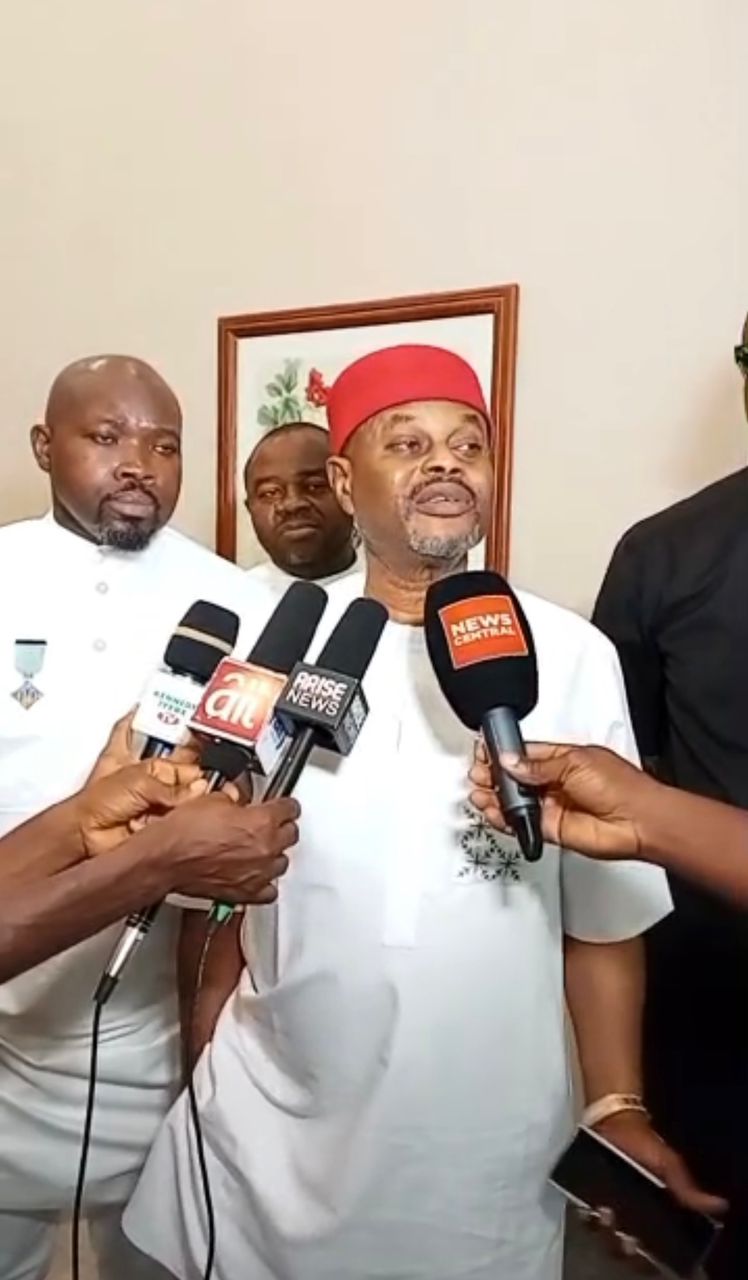

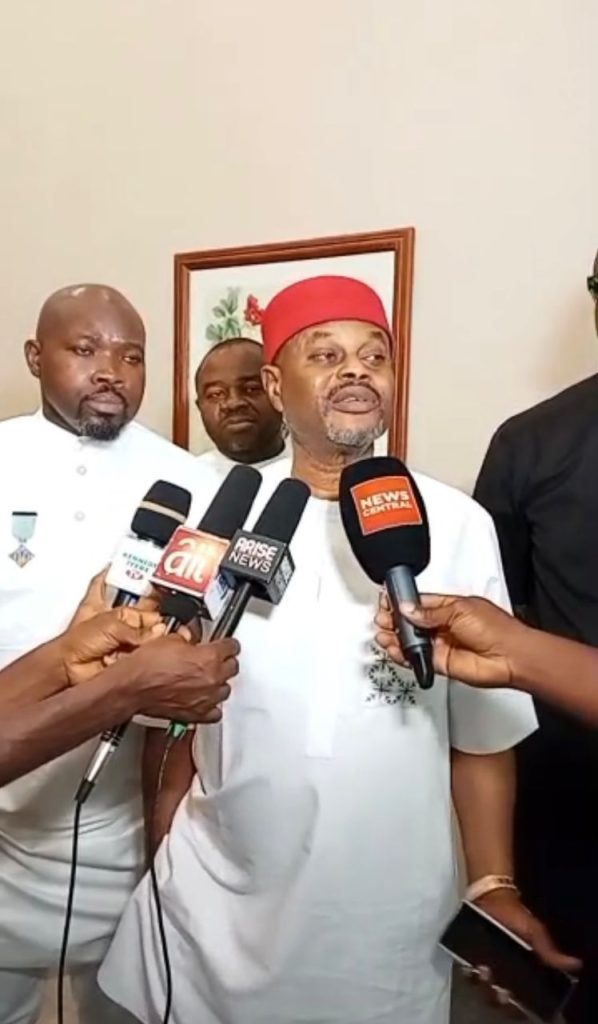
The recently concluded town hall meeting between the incoming Chief Geoffrey Uche Nnaji and Enugu State business owners based in Lagos comes at a time when troubling accounts are prompting serious reflection about the direction of the state.
When Chief Nwakaibie visited Enugu on January 29, 2026, to arrange the burial of his mother, he reportedly encountered more than ten families at a mortuary.
These families had come to collect the remains of their loved ones but were unable to do so because they could not afford the fee required for the release of the bodies.
Moved by their situation, he paid the required amounts on their behalf, allowing the families to proceed with burial arrangements.
The development raises an important concern: At what point did Enugu reach a stage where families must overcome financial obstacles before they can bury their dead?
Burial is not a privilege. It remains a longstanding cultural and moral responsibility. When grieving families are unable to retrieve the bodies of their loved ones due to financial constraints, it reflects a broader issue that demands attention.
Government policies are designed to generate revenue. However, revenue measures should not override compassion or human dignity.
Enugu requires leadership that can combine effective administration with empathy and sensitivity to the realities faced by its people.