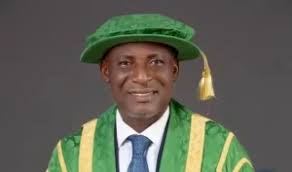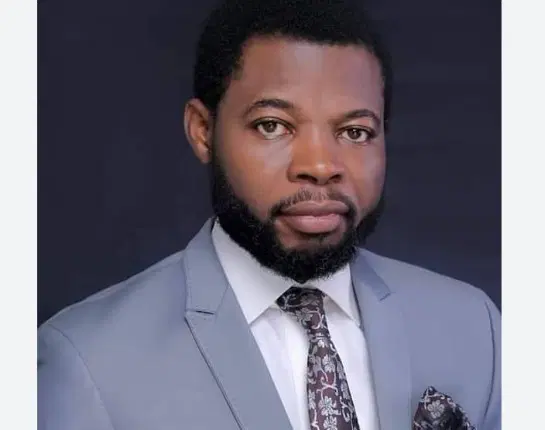

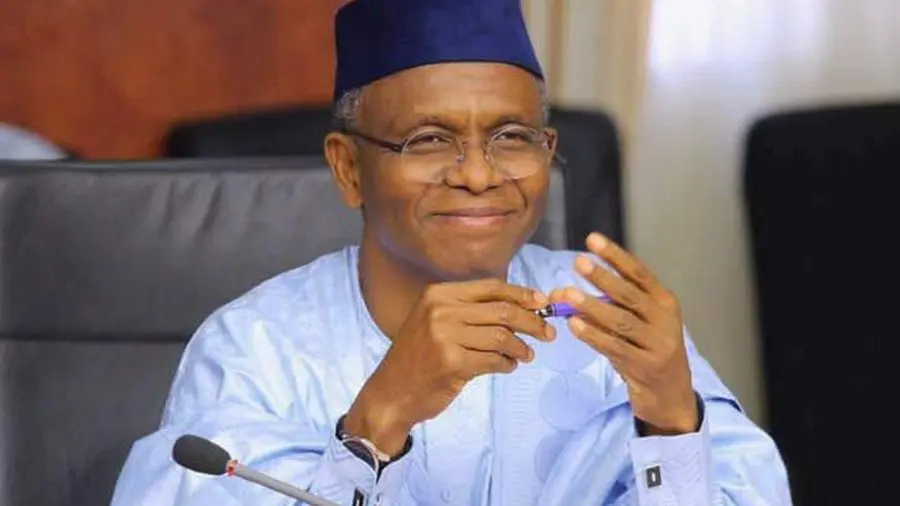
Former Minister of Youth and Sports Solomon Dalung said El‑Rufai surrendered himself was the “greatest mistake” in relation to his legal proceedings.
Dalung made the assertion in an interview with Trust TV published on YouTube on Tuesday.
Dalung, a former minister under the administration of President Muhammadu Buhari, spoke amid ongoing legal actions involving former Kaduna State Governor Mallam Nasir El‑Rufai.
El‑Rufai surrendered himself to security agencies in February, triggering public and political discourse on his legal strategy.
Dalung described the decision by El‑Rufai to submit himself to authorities as a misstep by the former governor and political figure. He said the federal government had initially attempted to arrest El‑Rufai without success at an airport.
“They attempted at the airport and it failed,” Dalung said, adding that the government feared El‑Rufai might resist arrest and spark unrest.
Dalung told the television host that El‑Rufai surrendered himself rather than opt for resistance or avoidance.
“El‑Rufai himself decided to downplay and surrender himself and that’s the greatest mistake he made as a comrade,” Dalung said verbatim.
He argued that voluntary surrender in struggles often leads to humiliation, citing established principles among political activists.
Dalung also offered a nuanced view, suggesting that surrendering may have inadvertently weakened the position of authorities.
“What he did was he behaved maturely and responsibly and they played into his trap,” Dalung said. According to him, surrender denied security agencies the ability to “frame up charges” using a forceful arrest.
He claimed authorities then began “shopping for offences” because they lacked clear evidence at the point of surrender.
Dalung said this would affect the foundation of El‑Rufai’s trial, asserting that cases built on “illegality and not law” would be weakened.
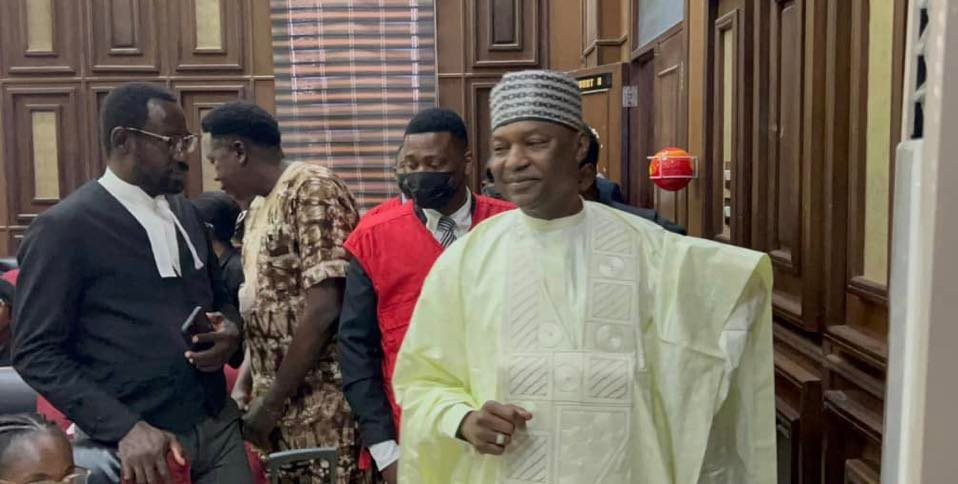
El‑Rufai’s legal troubles intensified after his surrender and initial detention by the Economic and Financial Crimes Commission (EFCC).
On February 18, he was re‑arrested by the Independent Corrupt Practices and Other Related Offences Commission (ICPC) shortly after EFCC released him on bail.
The ICPC’s arraignment of El‑Rufai involves allegations of inflated severance payments and unusual foreign currency deposits in his bank accounts.
The charges include alleged N579.7 million in inflated severance pay and $817,900 in foreign deposits, according to court records.
El‑Rufai’s surrender and subsequent legal proceedings have unfolded against a backdrop of multiple security and political controversies linked to his career.
As governor of Kaduna State from 2015 to 2023, he implemented reforms and policies that drew both praise and criticism, including restructuring the state civil service and controversial public security outcomes.
Dalung’s remarks reflect broader debates over legal strategy and political accountability among high‑profile figures in Nigeria.
His framing suggests that decisions around surrender may have political and procedural consequences beyond individual cases.
Legal experts note that voluntary appearance in court may be intended to demonstrate cooperation with legal processes, even if it invites criticism from political allies.
The unfolding case against El‑Rufai continues to raise questions about how prominent political leaders engage with Nigeria’s judicial system.
El‑Rufai’s legal team is expected to continue contesting the charges in court. Observers will watch subsequent hearings to assess how allegations and legal arguments unfold.
The case’s outcome could influence political discourse and standards for accountability in government leadership.