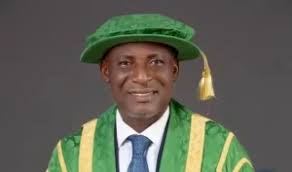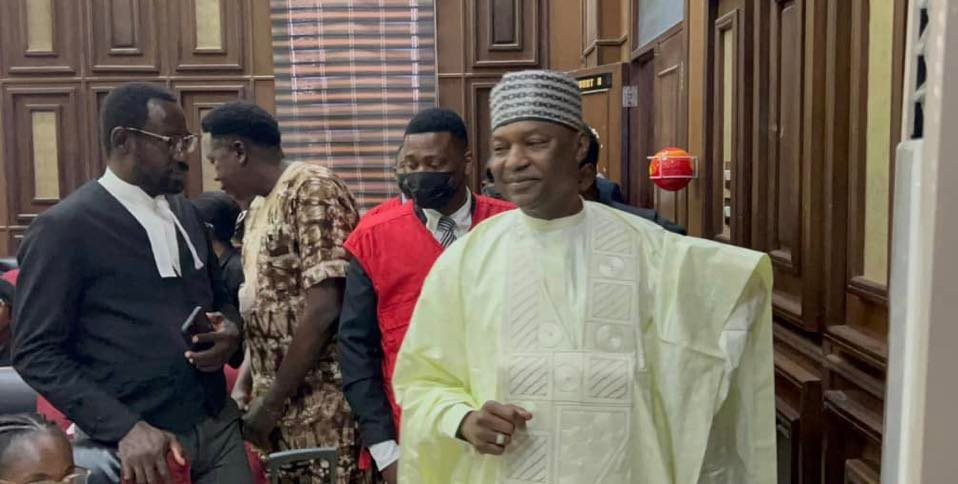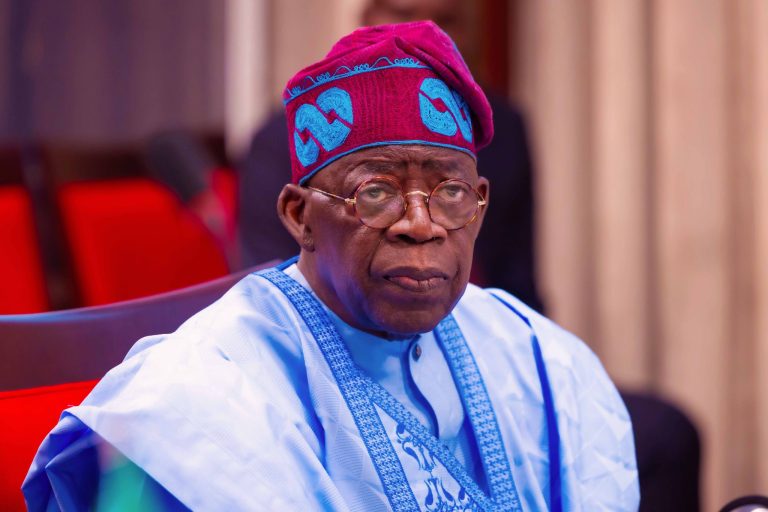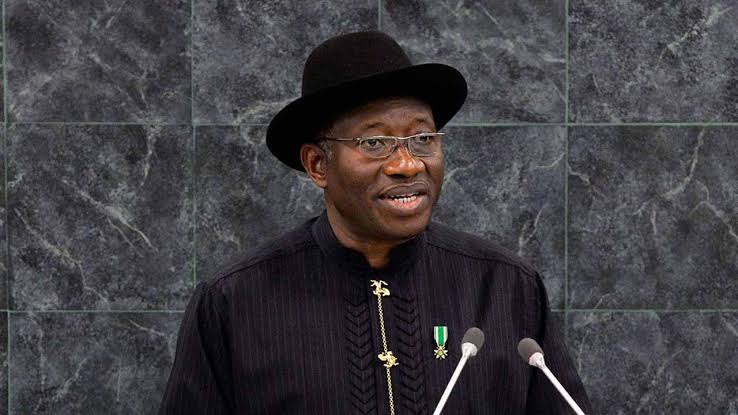
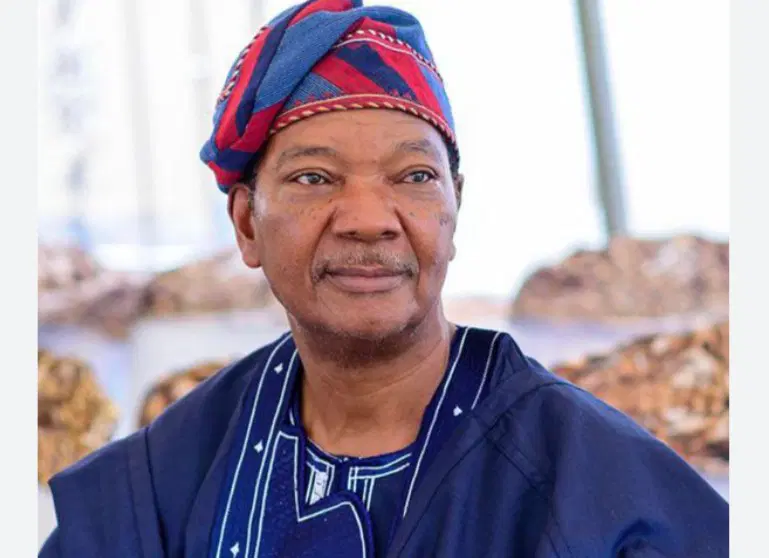
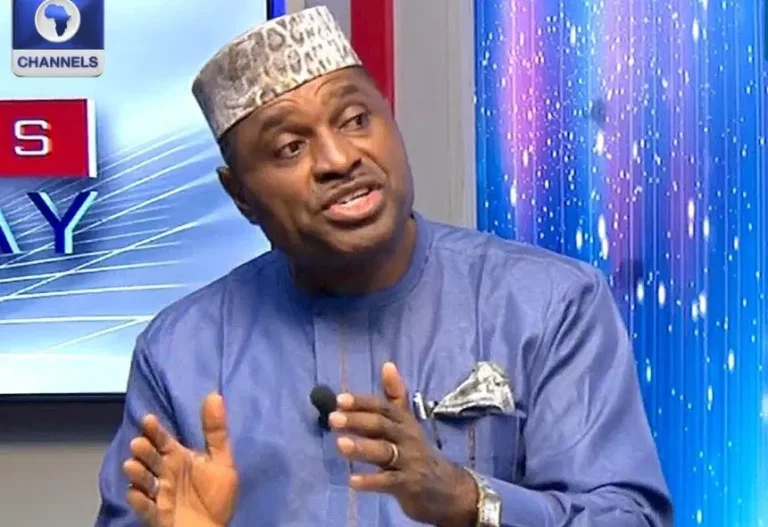
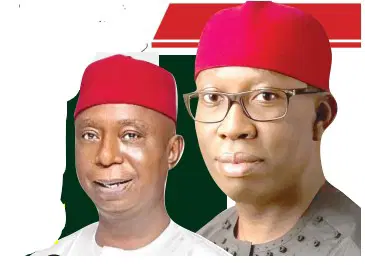
Delta North who goes to Senate emerges as a central question in Nigerian political discourse as the 2027 general elections approach, especially if the immediate past governor of Delta State, Senator Ifeanyi Okowa, formally enters the race against the incumbent, Senator Ned Nwoko.
This potential contest reflects historical rivalries and evolving party dynamics within the Delta North Senatorial District.
Okowa served as governor of Delta State from 2015 to 2023, establishing a long record in public service before completing his tenure.
He previously contested the Delta North Senate seat in 2011, winning against Nwoko, who then ran under the Democratic Peoples Party while Okowa contested on the platform of the Peoples Democratic Party, PDP.
Senator Ned Nwoko, the current representative for Delta North, was elected to the Senate in the 2023 general elections on the ticket of the PDP and subsequently joined the All Progressives Congress, APC.
His shift in party affiliation reflects wider trends of political realignment in Nigeria’s National Assembly, where defections have altered party compositions.
The question of Delta North who goes to Senate hinges on Okowa’s decision to announce his intention to run. If he enters the race, political observers have suggested that a high‑profile contest could develop between him and Nwoko.
This would bring renewed focus to Delta North, a district covering nine local government areas, including Aniocha North, Oshimili South, and Ndokwa East, among others.
Delta youth groups have already publicly encouraged Okowa to contest the Senate seat, describing him as capable of providing strategic representation at the National Assembly.
They cited his governance experience and influence as reasons to draft him into the race should he decide to stand.
For his part, Nwoko has been active as the sitting senator for Delta North.
He chairs the Senate Committee on Reparation and Repatriation and has been involved in initiatives championing regional identity and development, particularly around Anioma cultural and political interests.
The historical dimension of Delta North who goes to Senate can be traced back to previous elections. In 2011 Okowa defeated Nwoko when they first contested the seat, after which Okowa went on to serve two terms as governor of Delta State.
Nwoko’s political trajectory includes service in the House of Representatives from 1999 to 2003, followed by his successful Senate bid in 2023.
The possible rematch or leadership transition in Delta North also underscores broader party realignments.
Nwoko’s switch from the PDP to the APC aligns with patterns recorded across the Senate, where several members have changed party affiliation since 2023.
The outcome of discussions around Delta North who goes to Senate will influence political calculations in Delta State.
Should Okowa formally declare his candidacy, it would initiate intra‑party consultations within the APC and potential negotiations with other party stakeholders.
Conversely, Nwoko’s incumbency and legislative role provide advantages rooted in sitting senator status and ongoing constituency engagements.
Analysts note that such a contest could reflect not just personal political ambitions but broader considerations about representation, party strategy, and voter expectations within Delta North.
Voters and party delegates are likely to watch developments closely as the electoral timeline for primaries and candidate nominations is confirmed by the Independent National Electoral Commission.
As of now, Delta North who goes to Senate remains a live question in national political reporting, with both Okowa and Nwoko figures at the centre of emerging electoral narratives ahead of the 2027 general elections.