




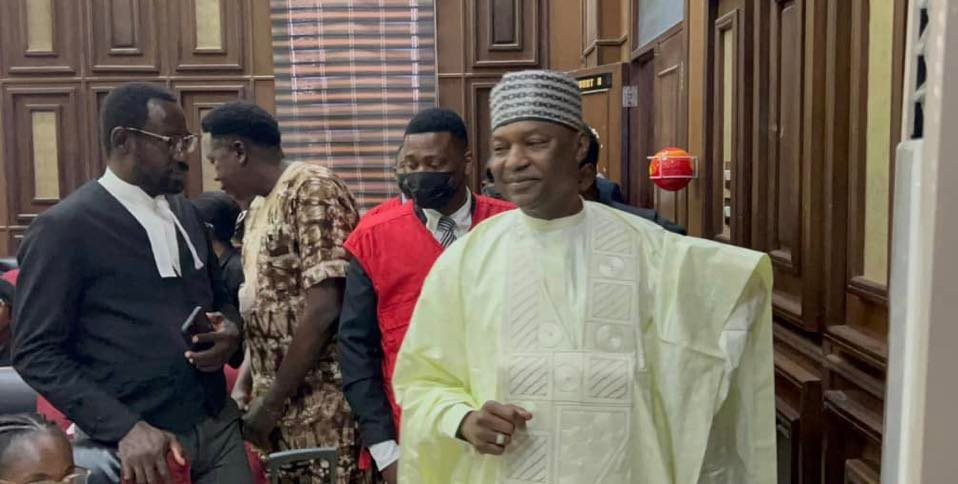
The remand of former Attorney General of the Federation Abubakar Malami, his son and an associate over an alleged N9 billion fraud has reignited national conversations around accountability, public trust and the strength of Nigeria’s justice system.
A Federal High Court in Abuja ordered the defendants to be held in custody following their arraignment by the Economic and Financial Crimes Commission. The charges relate to alleged concealment of funds believed to be proceeds of unlawful activity, reportedly linked to high value property acquisitions in Abuja and other locations.
While the accused have pleaded not guilty and the case is still at an early stage, the proceedings underscore the importance of transparent legal processes, especially in matters involving former senior public officials. For a country working to strengthen democratic institutions, the willingness of courts and law enforcement agencies to pursue complex financial cases sends a critical signal about the rule of law.
Beyond the courtroom, the case highlights broader systemic questions. Effective anti corruption efforts depend not only on prosecution but also on stronger safeguards around public finance, asset disclosure and oversight. Addressing these gaps can reduce opportunities for abuse and redirect public resources toward development priorities such as education, healthcare and infrastructure.
As the legal process unfolds, sustained institutional reform and consistent enforcement will remain central to building public confidence and ensuring that governance aligns with Nigeria’s long term development goals.