
The Africa trade policy group has appointed Ese Owie as its convenor, as trade experts and policymakers across the continent push to strengthen Africa’s influence in global trade governance.
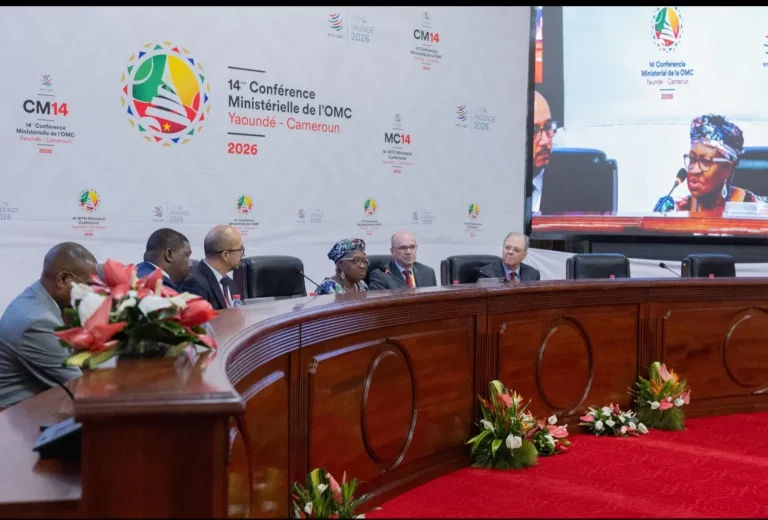
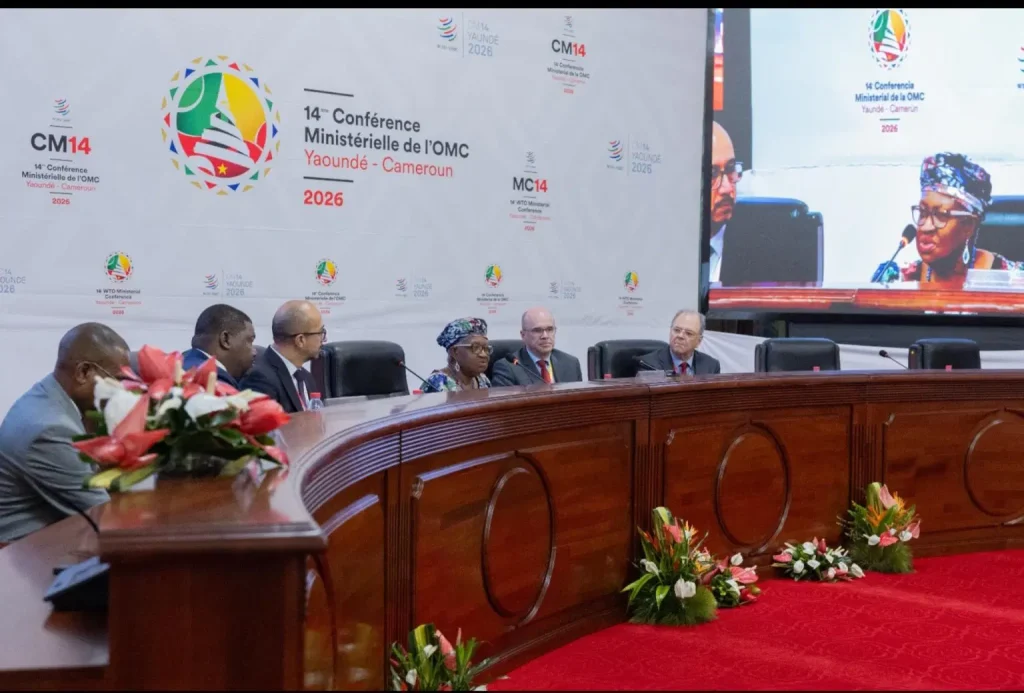
The announcement was made during the launch of the Africa Trade Policy Working Group on the sidelines of the World Trade Organization’s 14th Ministerial Conference in Yaoundé, Cameroon.
The Africa trade policy group initiative is positioned as a strategic effort to amplify Africa’s voice within the evolving global trade system, particularly at a time when the multilateral trading framework is undergoing significant transformation.
Participants at the launch noted that Africa has a critical role to play in shaping reforms within the World Trade Organization.
The working group, also referred to as the ATP Working Group, aims to connect leading thinkers from across Africa and the diaspora.
It seeks to bridge gaps between policy, academia, and practice, while fostering a more coordinated and forward-looking contribution from the continent to global trade discussions.
According to a statement released at the event, the Africa trade policy group will focus on several key areas.
These include development-oriented trade reform, climate and trade linkages, supply chain resilience, digital trade, and institutional renewal.
The group is expected to contribute to building a more coherent African position in international trade negotiations.
The launch followed a high-level workshop co-organised by multiple institutions, including the Remaking Trade for a Sustainable Future Project, ODI Global, the Trade Negotiations and Investment Forum, the International Relations Institute of Cameroon, the Forum on Trade, Environment and the SDGs, and the South African Institute of International Affairs.
The policy group is anchored by a coalition of African and global institutions, reflecting both regional representation and international collaboration.
Founding partners include the African Future Policies Hub, the Firoz Lalji Institute for Africa at the London School of Economics, Lagos Business School of Pan-Atlantic University, the Onsi Sawiris School of Business at the American University in Cairo, and Strathmore Law School, among others.
Key global trade figures participated in the launch discussions. These included Ngozi Okonjo-Iweala, Xiangchen Zhang, and Professor Dan Esty of Yale University.
Their participation underscored the growing importance of Africa in shaping the future of global trade governance.
Discussions at the ministerial conference highlighted the urgency of reforming the global trading system.
Stakeholders noted that geopolitical shifts, climate change, supply chain restructuring, and digitalisation are reshaping international trade dynamics.
Within this context, the Africa trade policy group is seen as part of a broader shift from fragmented participation to coordinated African influence.
The organisers stated that the establishment of the Africa trade policy group reflects a deliberate move to position Africa as a strategic actor in the global economy.
By consolidating expertise and aligning policy perspectives, the group aims to ensure that Africa contributes more effectively to shaping global trade rules.
The working group is also supported by a network of African trade experts who participated in the Yaoundé launch.
Their involvement highlights the depth of expertise behind the initiative and the commitment to advancing Africa’s interests in global trade governance.
The emergence of the Africa trade policy group comes at a time when there is increasing recognition that Africa must play a more proactive role in shaping the future of the multilateral trading system.
The initiative signals a coordinated effort to move from reactive engagement to strategic leadership in global trade discussions.