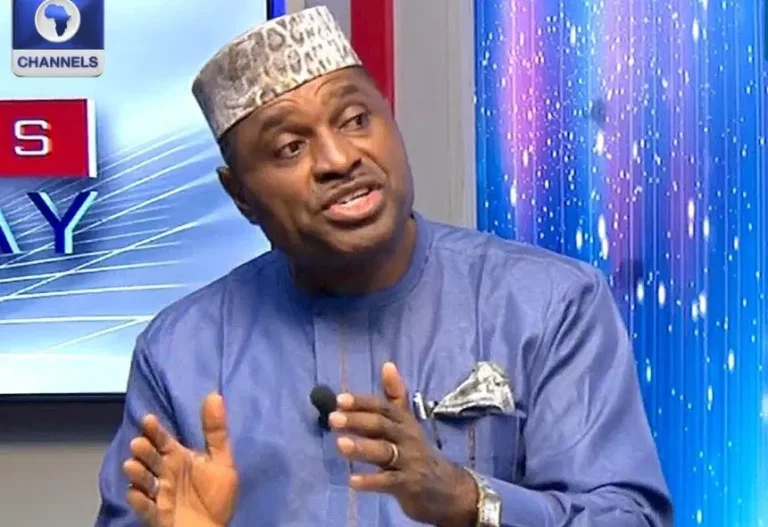

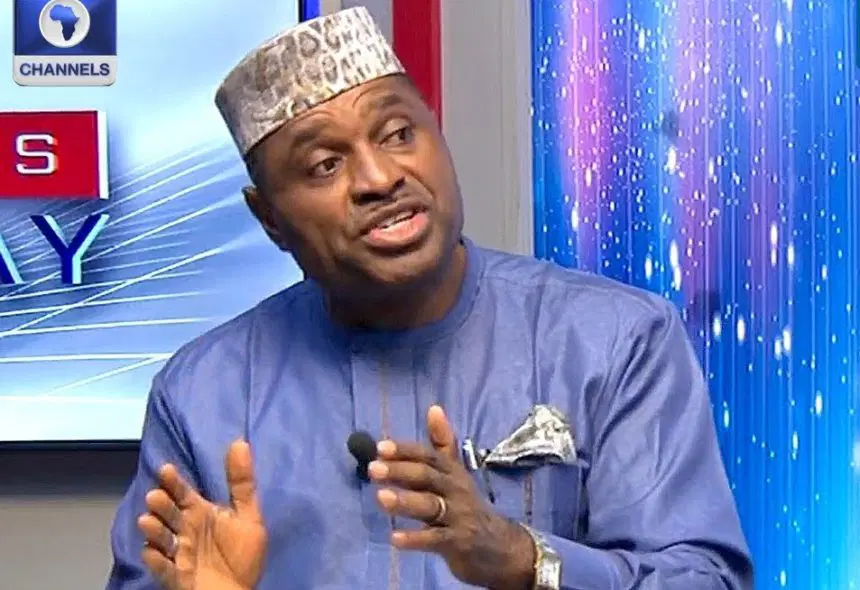
ADC plot claims have emerged as Kenneth Okonkwo, a chieftain of the African Democratic Congress, raised concerns over alleged efforts to destabilise the party ahead of the 2027 general elections.
He stated that there are indications of attempts to weaken the party’s structure and limit its political influence.
Okonkwo made the remarks while addressing political developments surrounding the ADC and its positioning within Nigeria’s evolving political landscape.
He described the situation as a growing challenge that requires vigilance from party members and stakeholders.
According to him, the ADC plot claims relate to moves aimed at truncating the party’s progress and undermining its role as an emerging political platform.
He noted that such actions, if left unchecked, could affect internal cohesion and the party’s preparedness for future elections.
“There is a plot to truncate ADC,” Okonkwo stated, warning that political actors may be working behind the scenes to create divisions within the party.
He did not provide specific details of those allegedly involved but emphasised the need for unity among members.
The ADC plot claims come at a time when political parties are beginning early positioning ahead of the 2027 elections.
Analysts note that emerging parties often face internal and external pressures as they attempt to consolidate support and expand their structures nationwide.
Okonkwo urged party members to remain focused and avoid actions that could weaken internal unity.
He stressed that maintaining discipline and adherence to party principles is essential for sustaining growth and credibility.
He also highlighted the importance of building a strong political alternative capable of addressing national challenges.
According to him, the ADC has the potential to attract a broad base of supporters if it remains cohesive and committed to its objectives.
The ADC plot claims further reflect ongoing realignments within Nigeria’s political space, where alliances, defections, and strategic positioning are shaping the landscape ahead of future elections.
Political observers note that internal stability is critical for parties seeking to strengthen their competitiveness.
While no official response has been issued by the party leadership regarding the allegations, stakeholders are expected to monitor developments closely.
Internal mechanisms for conflict resolution and party discipline may play a role in addressing emerging concerns.
Experts note that allegations of internal disruption are not uncommon in Nigeria’s political environment, particularly during periods of transition and preparation for elections.
Effective leadership and transparent processes are often cited as key factors in managing such challenges.
The situation highlights the importance of internal cohesion in political parties. Allegations of destabilisation may affect confidence among members and supporters if not addressed through established structures.
It also underscores the role of strategic organisation in building viable political platforms. Parties that maintain unity and clarity of purpose are often better positioned to compete in national elections.