

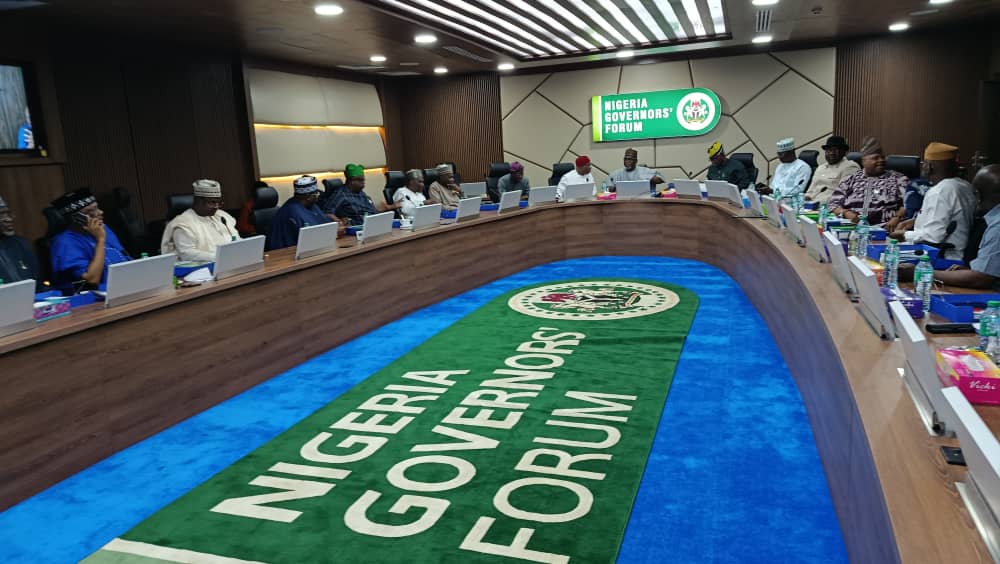
Nigerian state governors have earmarked a combined ₦525.23 billion for security votes and related operations between 2023 and 2025, even as the spate of killings, kidnappings and violent crime continues to spread across the country, an analysis of approved state budgets shows.
The figure was compiled from budget documents published on Open States, a BudgIT-backed platform that consolidates government budget data. It reflects allocations made by 32 state executives, with Gombe, Kebbi, Niger and Yobe States omitted due to lack of clear disclosure, indicating that the actual total could be higher.
The analysis shows a rising trend in security spending, escalating from ₦150.47 billion in 2023 to ₦164.07 billion in 2024, and ₦210.68 billion in 2025 — an increase of about 40 per cent in two years.
Governors have justified security vote allocations as necessary to support intelligence gathering, crisis response and emergency operations in the face of persistent threats from criminal gangs, bandits, kidnappers and other armed groups.
Although responsibility for security resides primarily with the Federal Government, subnational executives have pursued their own strategies amid complaints about escalating violence and slow responses.
The breakdown of allocations shows significant variation across states. Borno State — where counterinsurgency operations remain intense — recorded the largest total over the three years at ₦57.40 billion, followed by Anambra (₦42.57 billion), Delta (₦38.44 billion) and Benue (₦36.87 billion). Other notable budgets included Ondo (₦31.72 billion), Zamfara (₦31.40 billion) and Edo (₦29.21 billion).
Some states reported relatively low disclosed figures: Rivers State at ₦210 million, Akwa Ibom (₦624 million) and Ekiti (₦3.1 million) — suggesting wide disparities in either reporting practices or budget priorities.
Security analysts say the surge in allocations reflects growing concern among state governments about localised insecurity and the effect of violent crime on residents and economic activity.
However, critics argue that the substantial funds have not translated into measurable improvements in public safety, citing persistent violence and continued threats to life and property nationwide.
A representative of the Coalition of Northern Groups, Jamilu Charanchi, questioned the impact of large security votes, noting that communities in the North still face insecurity, poor infrastructure and social service gaps despite heavy spending.
“What are they doing with the security vote? … People are dying daily and communities are living in fear,” he said.
The rising allocations at the state level complement broader national efforts to address insecurity, including enhanced cooperation between federal forces and regional partners.
President Bola Tinubu has emphasised that security underpins sustainable development and has advocated for a holistic security strategy combining intelligence-led operations with community engagement.
Next steps: The continuation of budget increases for security votes is likely to remain a focus of public and legislative scrutiny as citizens, civil society and policymakers debate the efficacy of allocations and demand greater accountability and results amid continuing violence.