
Efforts to achieve opposition unity 2027 have entered a fresh phase as the G100 coalition of concerned Nigerians prepares to convene major opposition parties in Abuja. The group said it had completed an initial round of consultations with leaders of six opposition parties as part of efforts to develop a common platform ahead of the 2027 general elections.
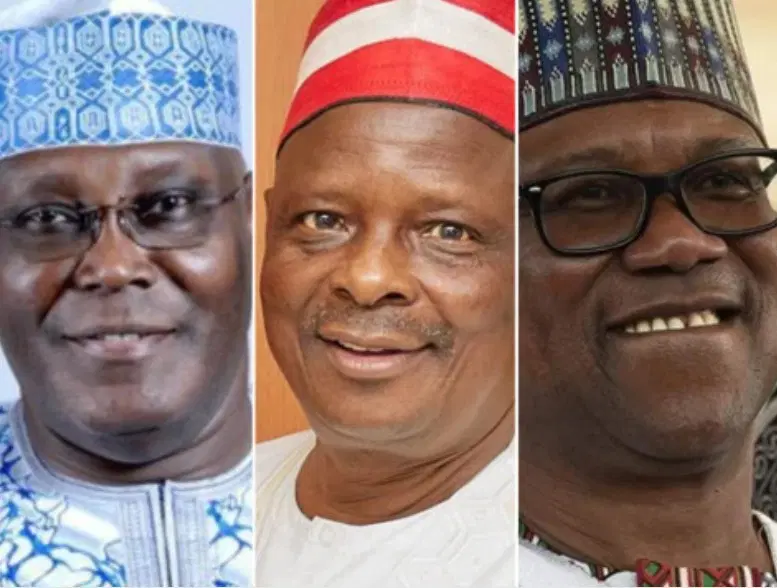
Among those engaged were African Democratic Congress, ADC, presidential candidate Atiku Abubakar; Nigeria Democratic Congress, NDC, leaders Peter Obi and Rabiu Kwankwaso; and Allied Peoples Movement, APM, candidate Seyi Makinde. The Peoples Democratic Party, PDP, Peoples Redemption Party, PRP, and Social Democratic Party, SDP, were also involved in the consultations.
The development was disclosed in a statement signed by Salihu Moh. Lukman on behalf of the G100 on Monday. Lukman said discussions had involved national party chairmen, presidential candidates and their running mates.
He described the engagements as constructive and encouraging, adding that the consultations were deliberately conducted privately because of the sensitivity of the issues under consideration. The initiative followed an open letter issued by the G100 on August 2, 2026, to opposition leaders, civil society organisations, leaders of thought and Nigerians of good conscience.
The letter outlined what the coalition described as the Doctrine of Necessary Democratic Opposition. According to the group, the consultations have shown that opposition parties recognise the need for greater cooperation ahead of the 2027 elections. However, it said achieving such cooperation would require compromise and sacrifices from political actors.
As part of the next phase, the G100 announced a Summit of Opposition Parties scheduled for August 18 in Abuja. The meeting is expected to provide an opportunity for participating parties to begin structured discussions on how they can cooperate more effectively.
The coalition stressed that it would not impose an outcome on the parties. Instead, it said its responsibility was to facilitate communication, strengthen trust and create an environment where the parties could address difficult questions surrounding cooperation and accommodation.
“The G100 does not presume to dictate the outcome of these conversations,” the group stated.
It said any agreement emerging from the discussions must accommodate the legitimate interests of participating political parties while placing the broader interests of Nigerians above individual ambitions.
The coalition argued that a functioning democracy requires voters to have access to a credible political alternative. It maintained that continued fragmentation among opposition parties could undermine efforts to present such an alternative to Nigerians.
According to the group, the opposition unity 2027 initiative is therefore aimed at creating conditions for opposition parties to compete more effectively for the electorate’s support. The G100 acknowledged that the consultations remained at an early stage and that significant challenges lay ahead.
It said building a united opposition would require patience, courage and willingness by political leaders to make difficult compromises. The coalition reaffirmed its commitment to facilitating the process in good faith, stressing that the ultimate objective was to strengthen Nigeria’s democratic system and serve the broader national interest.