



Engineering professionals have urged public and private sector stakeholders to adopt stronger engineering cost control measures to improve project execution, eliminate waste and ensure better value for infrastructure investments across Nigeria.
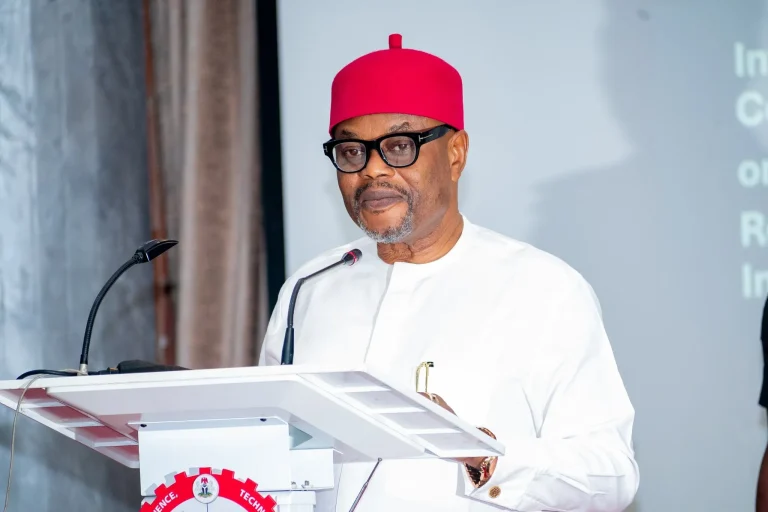
The call was made by members of the Institute of Appraisers and Cost Engineers (IACE) during the institute’s 2026 National Technical Conference held in Abuja. The conference, themed “Engineering Valuation, Cost Engineering and Engineering Economy Solutions in Emerging Economies,” focused on practical strategies for improving project management and achieving sustainable economic development.
Speaking at the conference, the President of the Nigerian Society of Engineers (NSE), Engr. Ali Rabiu, said countries around the world are under increasing pressure to maximise limited resources while meeting rising demands for infrastructure, economic growth and improved living standards.
Represented by Engr. Dauda Musa, Rabiu noted that emerging economies such as Nigeria must embrace engineering valuation, cost optimisation and sound economic analysis to ensure both public and private investments deliver lasting value. According to him, strengthening engineering cost control is essential for improving project outcomes and supporting sustainable national development.
Rabiu said the conference provided a platform for professionals to exchange ideas, share practical experiences and identify innovative approaches to managing scarce resources more effectively.
He explained that improved cost engineering practices can accelerate infrastructure delivery while enhancing efficiency across major development projects. The NSE president added that adopting internationally recognised engineering valuation principles would help organisations minimise financial losses and improve accountability during project implementation.
Outgoing National Chairman of the Institute of Appraisers and Cost Engineers, Engr. Ike Iwenofu, also stressed the importance of integrating engineering valuation, cost engineering and engineering economy into project planning and execution.
According to him, combining these disciplines provides a reliable framework for reducing waste, maintaining tighter control over project budgets and ensuring projects are delivered within approved timelines. He noted that stronger engineering cost control practices can help organisations minimise cost overruns while improving the overall quality and sustainability of completed projects.
Participants at the conference agreed that adopting modern engineering valuation and economic analysis techniques would strengthen project delivery in both the public and private sectors. They maintained that improving cost management practices is critical to ensuring infrastructure investments generate maximum economic value, particularly as Nigeria continues to pursue large-scale development initiatives.
The conference concluded with renewed calls for wider adoption of engineering valuation, cost engineering and engineering economy principles as essential tools for promoting efficient resource utilisation and sustainable national growth.