

The State Police Bill moved closer to a decisive moment on Wednesday as the Senate prepared to debate and vote on a constitutional amendment that could fundamentally reshape Nigeria’s security architecture. The proposal, backed by President Bola Tinubu and supported by many state governors, has sparked intense discussions among security experts, lawmakers and stakeholders over how a decentralised policing system should operate.
The renewed push follows President Bola Tinubu’s transmission of a constitutional amendment bill to the National Assembly seeking the establishment of state police services across the federation. The proposal aims to create a legal framework that would allow states to maintain their own police formations alongside the Nigeria Police Force. The issue has gained urgency amid persistent security challenges including terrorism, banditry, kidnapping and violent crimes that continue to affect communities across the country.
Retired military and police officers expressed differing opinions on the level of authority governors should wield under the proposed structure.
Retired Brigadier General Peter Aro described the reform as a necessary security initiative rather than a political project. He argued that states should have broad powers over intelligence gathering, investigations and community security operations while operating within constitutional safeguards. According to him, state policing would encourage investment in surveillance technology and intelligence systems while improving coordination between local communities and security agencies.
Retired Assistant Inspector-General of Police Ali Amodu also supported the proposal, noting that governors should naturally play a significant role since state governments would be responsible for funding and maintaining the service. He said the country should move forward with implementation and address challenges as they arise, stressing that Nigeria’s security situation requires urgent action.
However, retired AIG Wilson Inalegwu cautioned against granting excessive powers to governors. He maintained that strong oversight institutions must be established to prevent political interference and abuse of authority. He argued that policing powers must remain subject to legal procedures and constitutional safeguards regardless of the structure adopted.
Adding to the debate, retired Commodore Omatseye Nesiama proposed the creation of independent state commissions to advise governors on police administration and policy decisions.
He said such structures would help strengthen accountability while improving intelligence gathering and response times at the grassroots level. Retired Brigadier General George Edim also backed decentralised policing, insisting that properly empowered states would be better positioned to tackle local security challenges.
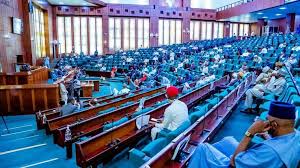
Senate President Godswill Akpabio described the State Police Bill as one of the most significant constitutional reforms since Nigeria’s return to democratic governance. He urged senators to ensure full attendance during deliberations, noting that constitutional amendments require support from at least two-thirds of lawmakers.
Akpabio said decentralised policing would encourage greater community participation in security management and improve intelligence gathering at the local level. Senate Leader Opeyemi Bamidele also stressed the importance of meeting constitutional voting requirements, describing the legislation as a national issue that transcends political interests.
State governors have also intensified calls for greater constitutional authority over security operations within their jurisdictions. A recent strategic meeting involving state Attorneys-General, legal experts and senior security officials examined key issues including funding arrangements, personnel management, oversight mechanisms and operational powers for the proposed police services.
Supporters argue that the State Police Bill would improve local security responses, deepen community trust and strengthen intelligence gathering. Critics, however, continue to raise concerns about potential political misuse and the financial implications of maintaining separate state police formations.
As lawmakers prepare for what many describe as a historic vote, the outcome of the State Police Bill debate could determine whether Nigeria finally embraces a decentralised policing model after decades of discussion. If approved by the National Assembly and subsequently ratified by at least 24 state Houses of Assembly, the reform would mark one of the most significant changes to the nation’s security system since independence.