

Nigeria’s 2027 presidential election has entered a historic phase as Women presidential candidates emerge in record representation, with three female contenders officially confirmed to challenge President Bola Tinubu and other leading aspirants for the nation’s highest office. The development marks a significant moment in Nigeria’s electoral history, highlighting gradual but steady shifts in gender participation at the highest level of politics.
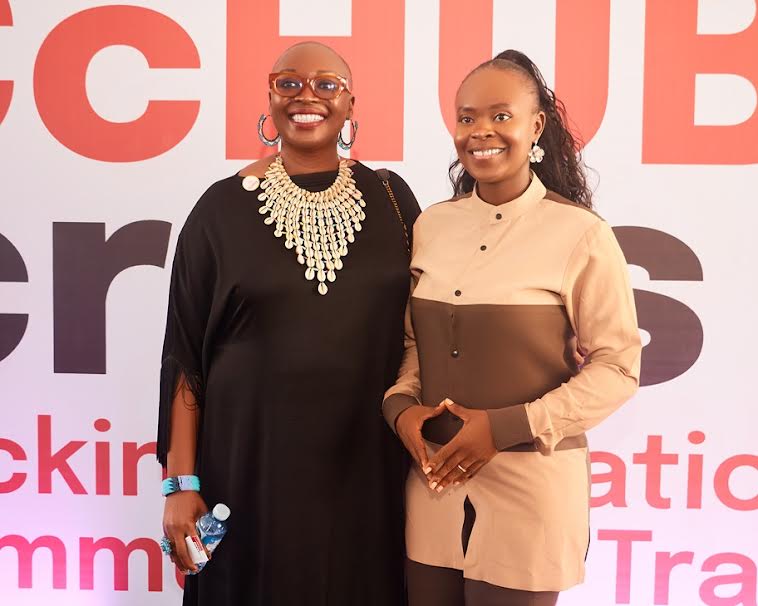
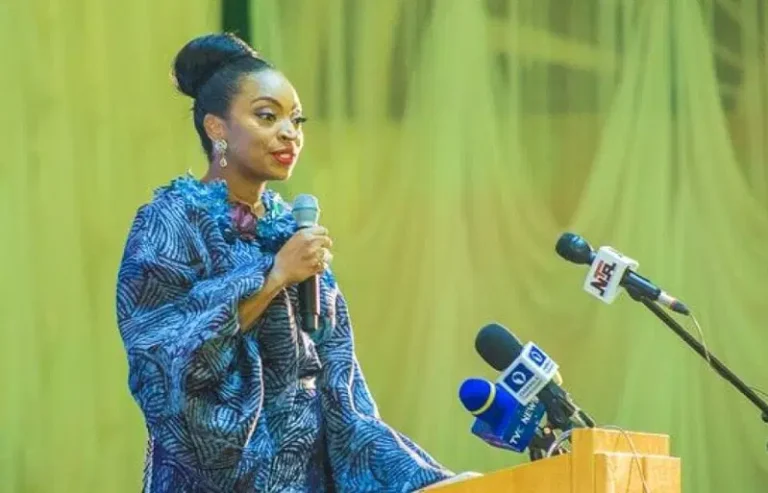
With the conclusion of party primaries across political parties, three women presidential candidates have emerged from different political platforms. They include Esther Nkem Okereke of the National Rescue Movement (NRM), Anita Zugwai-Chukwu of the Young Progressives Party (YPP), and Ada Fredrick of the National Democratic Party (NDP).
Although 18 presidential flag bearers are expected across various parties, only 14 candidates are projected to remain on the final ballot due to internal party adjustments and factional disputes in some platforms. Observers note that this election cycle represents the highest percentage of female participation in Nigeria’s presidential contest, with women accounting for about 21.43 percent of candidates.
The presence of women presidential candidates in 2027 continues a gradual trend in Nigeria’s democratic evolution. In 2003, Sarah Jubril recorded the highest vote count ever by a female candidate, securing 157,560 votes.
However, subsequent elections saw a decline in female representation. In 2007 and 2011, only one woman contested in each cycle, while 2015 also had a single female candidate. The 2019 election recorded six female contenders, yet their combined vote share remained relatively low compared to male counterparts. By 2023, only one female candidate participated among 18 presidential aspirants, highlighting continued structural barriers to gender inclusion at the presidential level.
The emergence of these women presidential candidates has been accompanied by strong policy messages centered on governance reform, accountability, and social inclusion. Okereke of the NRM described her candidacy as a national assignment aimed at addressing poverty, insecurity, and economic instability. She argued that Nigeria requires leadership driven by vision and service rather than political ambition.
Zugwai-Chukwu of the YPP said she would focus on building a transparent and people-centred government, pledging loyalty to party ideals while promoting national unity and institutional stability. Fredrick of the NDP emphasised the need for empathetic leadership, noting that Nigeria’s challenges require compassion-driven governance that prioritises citizens’ welfare and opportunities for youth and women.
The increasing visibility of is expected to influence national conversations around inclusion, representation, and electoral competitiveness. While the candidates face strong opposition from established political figures, their participation signals evolving dynamics in Nigeria’s democratic space. They will compete against major contenders including President Bola Tinubu and other prominent politicians across major parties.
The 2027 presidential race highlights a turning point as women presidential candidates gain unprecedented visibility in Nigeria’s political landscape. While electoral success remains uncertain, their presence underscores a growing shift toward broader participation and representation in national leadership contests.