
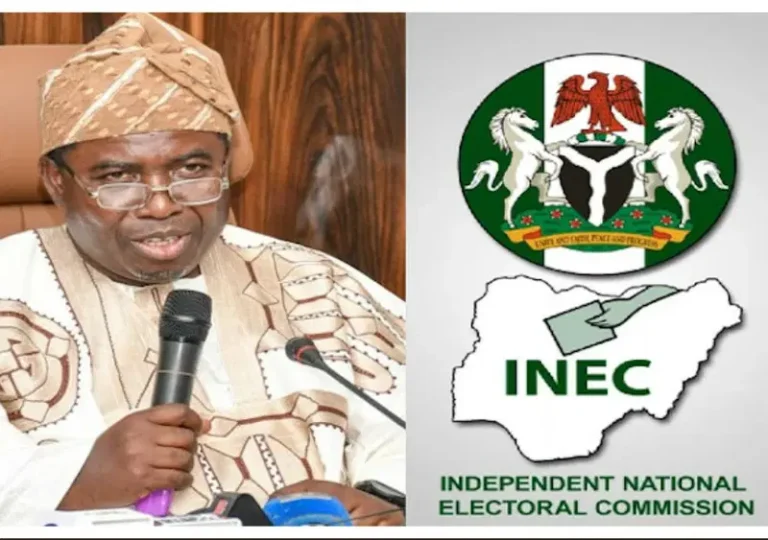




The APC primary outcome in Delta State has continued to generate political reactions after Commissioner for Works (Rural Roads) Charles Aniagwu explained why Senator Ned Nwoko lost the party primary. Aniagwu said political structure, grassroots mobilisation, and stakeholder alignment shaped the result. He made the remarks while addressing political developments in the state. The APC primary outcome has attracted attention ahead of preparations for the 2027 elections.
The All Progressives Congress recently conducted internal primary elections in Delta State. The process formed part of preparations for future electoral contests within the party.mSenator Ned Nwoko had contested for a key political position during the exercise. However, the result favoured another candidate supported by political stakeholders linked to Governor Sheriff Oborevwori’s political structure.
Political alignments in Delta State have remained significant in shaping party contests. Stakeholder influence and grassroots support often determine outcomes during party primaries. The APC primary outcome has therefore become a major discussion point among party members and political observers across the state.
Charles Aniagwu stated that the outcome reflected existing political realities within Delta State. According to him, electoral success within party primaries depends on organisation and local support networks. He explained that effective mobilisation across wards and local governments influenced voting patterns during the exercise. Aniagwu also said strong engagement with delegates contributed to the final result.
The commissioner maintained that political contests are decided through participation and structure. He noted that aspirants must sustain strong grassroots relationships before primary elections. Aniagwu further argued that political alliances remain critical during internal party processes. He stressed that stakeholder coordination often determines delegate support during voting exercises.
Senator Ned Nwoko has remained a prominent political figure in Delta North Senatorial District. He previously served in the House of Representatives and has maintained visibility in national politics. The APC leadership has continued consultations following the primaries. Party officials have urged members to remain united despite disagreements arising from the exercise.
The APC primary outcome may influence political alignments ahead of the 2027 elections in Delta State. Internal party contests often shape future alliances and campaign strategies. The development also highlights the importance of grassroots mobilisation within Nigerian political parties. Analysts have consistently noted that local structures remain central to primary election success.
For the APC in Delta, maintaining internal cohesion may become important after the primary process. Party unity is often necessary to strengthen electoral competitiveness during general elections. The situation further reflects broader political competition within Delta State. Political actors continue to reposition ahead of future electoral cycles.