
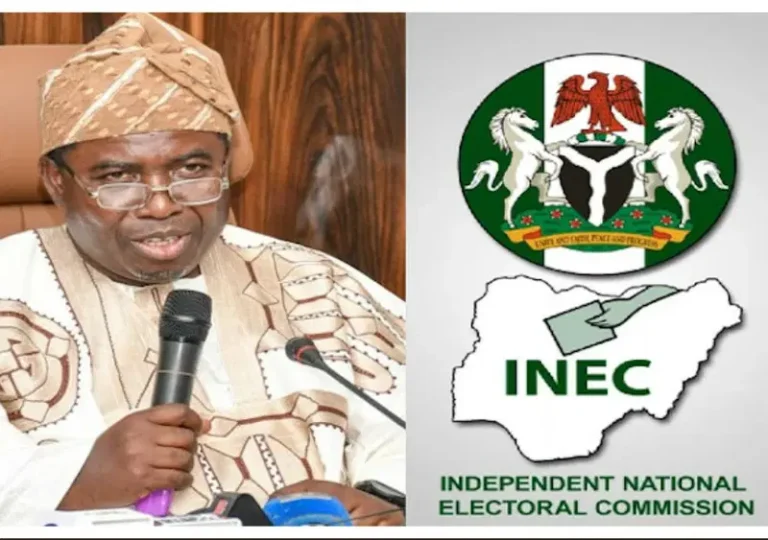



Opposition members of the National Assembly criticised the amended Electoral Act (Amendment) Bill 2026, asserting that the decision to drop mandatory real-time electronic transmission of election results undermines public confidence in electoral integrity.
The House of Representatives initially passed a version of the bill that would have made electronic transmission of polling unit results mandatory.
The Senate later opted for provisions that allow electronic transmission only where feasible, with manual processes as fallback. President Bola Tinubu signed the amended bill into law soon after both chambers harmonised their positions.
Opposition lawmakers accused the National Assembly leadership of betraying Nigerians who wanted real-time electronic transmission to strengthen confidence that votes would count.
They described the removal of mandatory provisions as a setback for electoral transparency.
Senator Enyinnaya Abaribe of the All Progressives Grand Alliance, APGA, advised Nigerians to ensure votes count in the 2027 elections by deploying well-motivated and trained party agents at polling stations.
He stated that properly motivated agents could resist efforts to sabotage votes.
Representatives speaking on behalf of opposition caucuses expressed disappointment that their preferred clause for mandatory electronic results transmission was turned down.
They raised concerns about the voting and results transmission methods remaining open to manipulation.
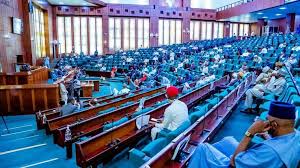
On the House floor, opposition lawmakers walked out of plenary to register dissent with Nigerians, asserting that decisions favouring manual processes were driven by party affiliation rather than electoral integrity.
Lawmakers representing minority positions highlighted that political parties should decide their internal candidate selection methods, advocating freedom for parties to choose direct or indirect primaries.
Some opposition members urged Nigerians to mobilise and protect their votes during elections, emphasising the need for voter awareness and engagement on election day. They said citizens must participate actively to uphold their rights.
Opposition critics characterised the legislative outcome as a divergence from public demands for strong safeguards against election manipulation. They asserted that the battle for credible electoral processes continues ahead of the 2027 general elections.