

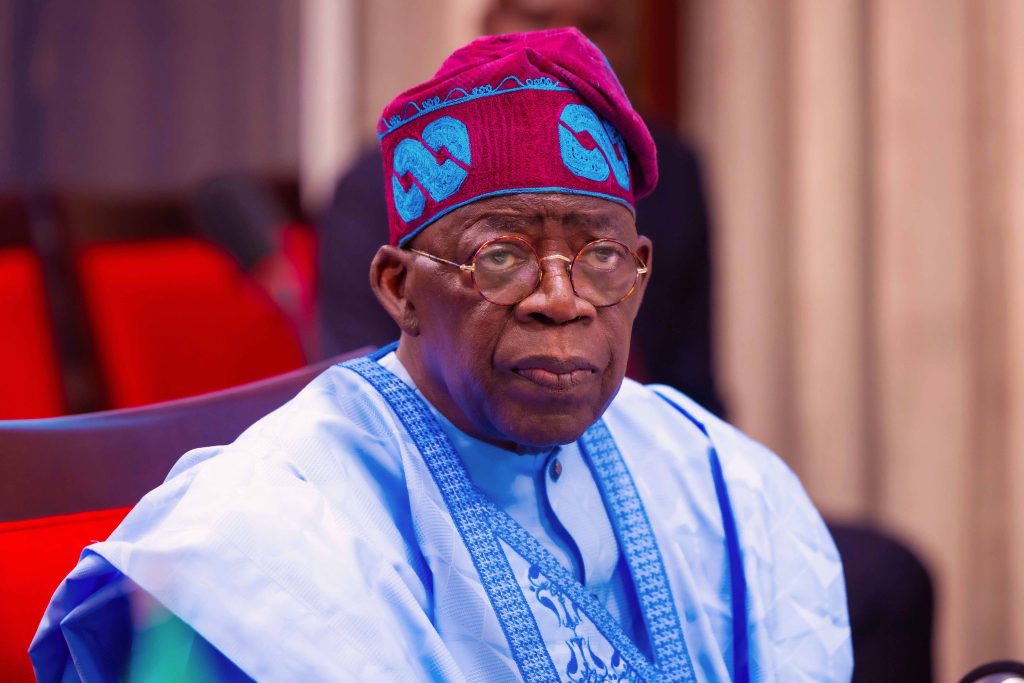
President Bola Ahmed Tinubu has assured a delegation from the World Bank that Nigeria will maintain its economic reform programme and will not reverse course on policies aimed at stabilising and growing the economy, officials said.
The assurance was given during discussions at the Aso Rock Villa in Abuja with the Managing Director of Operations of the World Bank, Anna Bjerde, and senior government officials.
Tinubu highlighted the administration’s commitment to the reform trajectory as essential to harnessing Nigeria’s economic potential, noting that the measures are part of a longer‑term strategy to strengthen fundamentals and support broader development objectives.
“Since we have gone into this tunnel of reform, we have our hands on the power, and we’re never going to look back,” he said.
The President acknowledged that implementing reforms has posed initial challenges but underscored that persistence was necessary to achieve durable economic stability.
He pointed to recent improvements in macroeconomic indicators, including currency stability and reduced inflation, as positive outcomes aligned with policy objectives.
Tinubu also outlined priorities within the reform agenda, including efforts to expand agricultural productivity through mechanisation, enhance industrial linkages, and improve market access for domestic producers.
He invited continued World Bank collaboration on financing models that can support these initiatives and broader human capital development.
In her remarks, Bjerde acknowledged Nigeria’s reform efforts and described the country’s initiatives as a reference point in global discussions on structural policy implementation.
“You’ve been very steady, and it has been very noted, and from time to time, quoted by me as well,” she said, highlighting the World Bank’s alignment with Nigeria’s vision for economic growth and its Country Partnership Framework.
The World Bank official outlined key focus areas for engagement, including job creation, infrastructure development, scaling of agriculture value chains, and private sector mobilisation through International Finance Corporation (IFC) support.
She noted that the Bank’s programmes are structured to resonate with Nigeria’s development priorities and strengthen outcomes across sectors.
The meeting underscored the Federal Government’s emphasis on policy continuity and constructive engagement with international partners to advance economic reforms and support sustainable growth objectives, with both sides reaffirming their cooperation on shared priorities.