

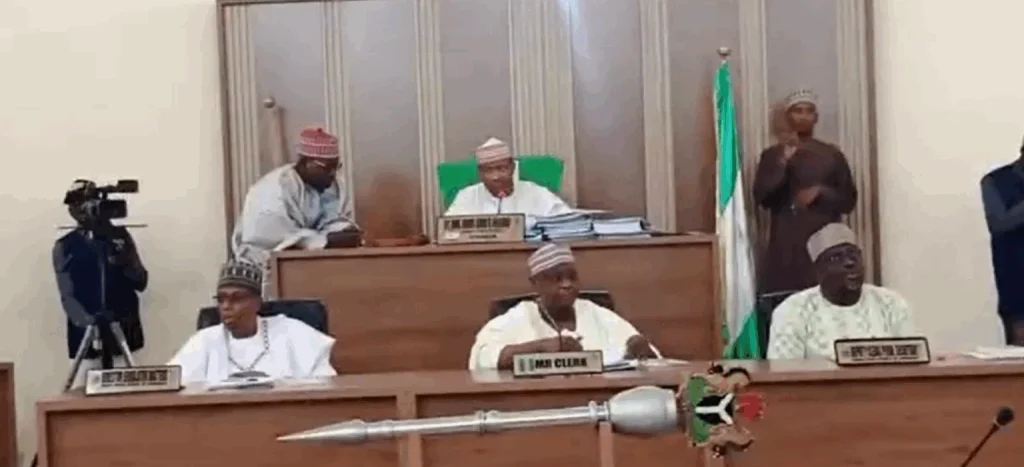
Twenty‑two members of the Kano State House of Assembly have defected from the New Nigeria Peoples Party (NNPP) to the All Progressives Congress (APC), shortly after Governor Abba Kabir Yusuf formally resigned from the NNPP and announced his intention to join the ruling party.
The defections were announced during a plenary session in Kano on Monday, January 26, 2026.
Governor Yusuf resigned his membership of the NNPP in a letter addressed to the Diso‑Chiranchi Ward Chairman in Gwale Local Government Area, citing “deepening internal crises” and “prolonged leadership disputes” within the party as key reasons for his exit. His decision followed a visit to President Bola Tinubu at the State House in Abuja earlier last week.
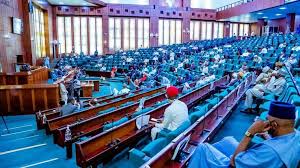
At the plenary session, the lawmakers publicly announced their resignation from the NNPP and affirmed their decision to join the APC.
Among those who defected were key principal officers of the assembly, including Speaker Jibril Falgore, Deputy Speaker Muhammad Bello Butu Butu, Majority Leader Lawan Hussain, Deputy Majority Leader Garba Shehu Fammar, and Chief Whip Muddasir Ibrahim Zawachiki.
Other lawmakers who shifted allegiance included representatives such as Rabiu Shuaibu (Dawakin Kudu), Tukur Mohammed (Fagge), Zakariyya Abdullahi Nuhu (Gabasawa), Lawal Tini (Ajingi), Musa Tahir Haruna (Albasu), Ali Lawan Alhassan (Bagwai/Shanono), and representatives from Bunkure, Garko, Karaye, and Minjibir constituencies.
The mass defection also follows Governor Yusuf’s broader political realignment, which reportedly includes eight members of the House of Representatives and all 44 local government chairmen in Kano State opting to leave the NNPP for the APC ahead of his formal registration with the party.
Reacting to the defections, Rabiu Musa Kwankwaso, national leader of the NNPP, described the governor’s departure as a “betrayal,” and marked January 23 as “World Betrayal Day” in response to the political shift.
Kwankwaso had been a central figure in Governor Yusuf’s political rise through the Kwankwasiyya movement, which significantly influenced Kano’s political landscape in recent years.
The defections substantially alter the composition of the Kano State House of Assembly, consolidating the APC’s dominance in the legislature.
Observers note that the shift ahead of the 2027 general elections could have implications for political alignments, party strength, and governance dynamics not only within Kano but also in northern Nigeria’s broader political context.
Political analysts say the alignment with the ruling party at the federal level may enhance cooperation on security, development priorities, and fiscal engagements between the state and the Federal Government, although critics caution about the impact of such realignments on multi‑party competition.